【26年6月文献战报】博奥森高分文献精彩呈现

截至目前,引用Bioss产品发表的文献共40,151篇,总影响因子208,361.28分,发表在Nature, Science, Cell, Cancer Cell以及Immunity等顶级期刊的文献共144篇,合作单位覆盖了清华、北大、复旦、华盛顿大学、麻省理工学院、东京大学以及纽约大学等上百所国际知名研究机构。我们每月收集引用Bioss产品发表的文献。若您在当月已发表SCI文章,但未被我公司收集,请致电Bioss,我们将赠予现金鼓励,金额标准请参考“发文章领奖金”活动页面。
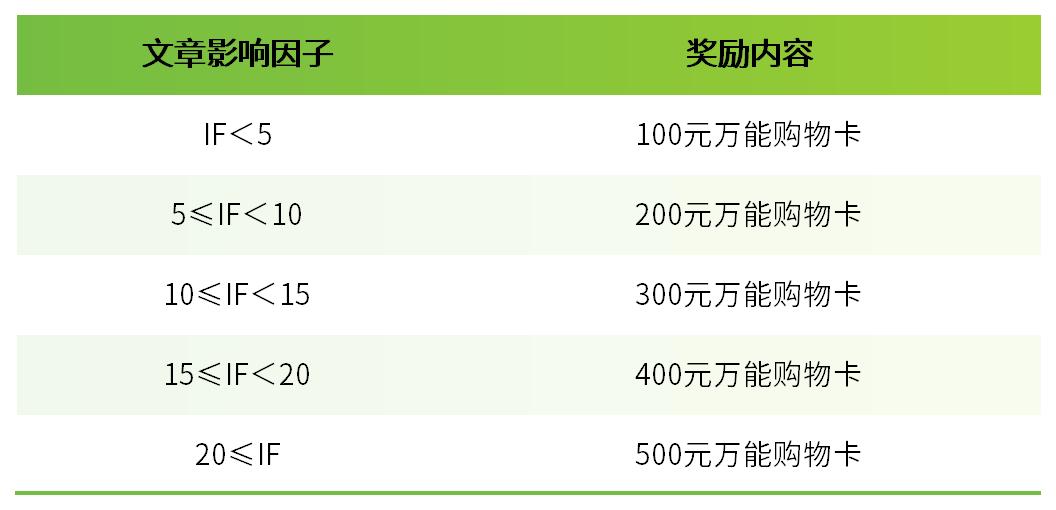
本文主要分享10篇IF≥18的文献,它们引用了Bioss产品,分别发表在Nature、Exploration、Journal of Extracellular Vesicles、Advanced Functional Materials、Nature Microbiology、Autophagy、Nature Communications期刊上,让我们一起学习吧。
Nature [IF=56.1]
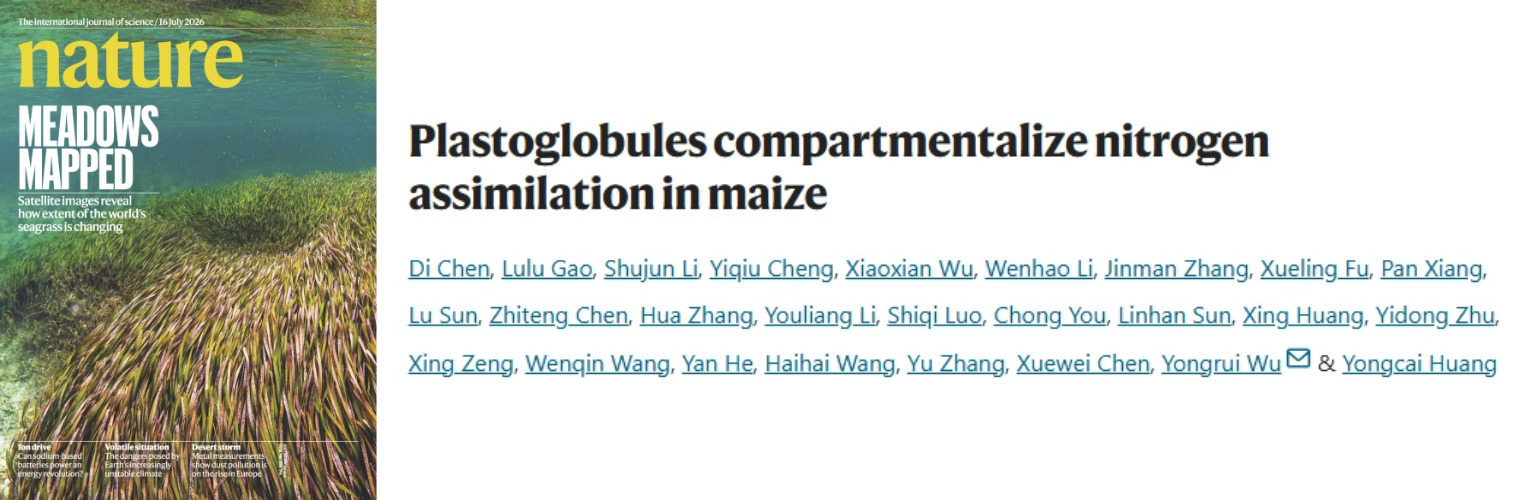
文献引用产品:
bsm-33004M | His Tag Mouse mAb | WB,IP
作者单位:四川农业大学
摘要:Efficient nitrogen assimilation is important for sustainable agriculture, yet its subcellular organization remains unknown. Here we show that plastoglobules (PGs) in the chloroplasts of mesophyll cells function as a metabolic hub that orchestrates nitrogen utilization in maize. Nitrogen-responsive dynamics of PGs represent a conserved feature across plant species. We identify two key enzymes, nitrite reductase 2 (ZmNIR2) and glutamine synthetase 1 (ZmGLN1), specifically targeted to PGs by a chloroplast transit peptide and hydrophobic region. Cryogenic electron microscopy analysis of recombinant ZmGLN1 shows a decameric complex, enabling a metabolon with ZmNIR2 for enhanced efficiency. Among two NIR and six GLN enzymes, ZmNIR2 and ZmGLN1 are the primary PG-localized components that orchestrate sub-organellar nitrogen assimilation and dictate nitrogen use efficiency. Genetic variation in ZmNIR2 splicing in cultivated germplasm generates a PG-targeted isoform (ZmNIR2T1) that boosts NUE. Our work establishes PGs as a central compartment for primary nitrogen assimilation, providing a promising strategy to develop high-NUE crops for global food security.
Nature [IF=56.1]
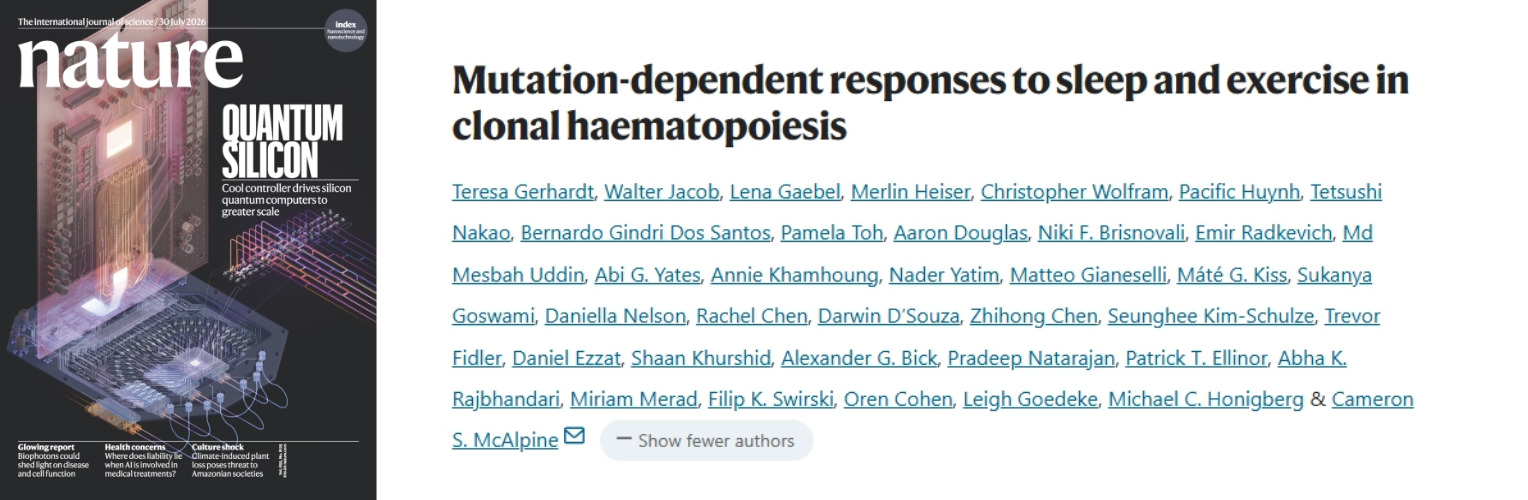
文献引用产品:
bs-0947R | ADRB2 Rabbit pAb | IF
作者单位:美国西奈山伊坎医学院
摘要:Clonal haematopoiesis (CH) activates inflammation and increases the risk of atherosclerosis. Whether lifestyle alters CH clone expansion or the phenotypic programming of CH mutant cells, thereby affecting atherosclerosis, is unknown. Here, in humans and mice and across mutations in Jak2, Tet2, Trp53 and Dnmt3a, we demonstrate mutation-dependent responses to sleep and exercise in CH and show that mutant cells are uniquely sensitive to lifestyle. In two human datasets, moderate-to-vigorous physical activity was associated with lower prevalence of non-DNMT3A-driven CH. In atherogenic mice with Jak2V617F or Tet2 loss of function (LOF), but not Trp53 LOF or Dnmt3aR878H CH, uninterrupted sleep or exercise curtails clone expansion. In CH with the Jak2V617F mutation, sleep and exercise reduces clone expansion by selectively reprogramming mutant, but not cohabitant wild type, haematopoietic progenitor cells towards antiproliferative and metabolically healthy phenotypes by tempering bone marrow macrophage–haematopoietic progenitor cell IL-1β signalling. Sleep or exercise also lessens Jak2V617F-driven, Tet2 LOF-driven and Trp53 LOF-driven, but not Dnmt3aR878H-driven, atherosclerosis by locally reprogramming mutant vascular macrophages, independent of peripheral clone dynamics. In Jak2V617F, but not adjacent wild type, aortic macrophages, uninterrupted sleep blunts CLEC4E-dependent inflammasome activation, consequently diminishing lesions. Exercise, meanwhile, activates PAC1+ neurons in the locus coeruleus, raising the levels of peripheral noradrenaline, which signals through adrenergic receptor β2 (ADRβ2) whose expression is preserved by exercise in Jak2V617F, but not cohabitant wild type, aortic macrophages, selectively repressing their inflammatory programming and atherosclerosis. Our findings establish that healthy lifestyles gene-specifically diminish CH and selectively reprogram mutant haematopoietic progenitor cells and macrophages to maintain cardiovascular health.
Exploration [IF=30.4]
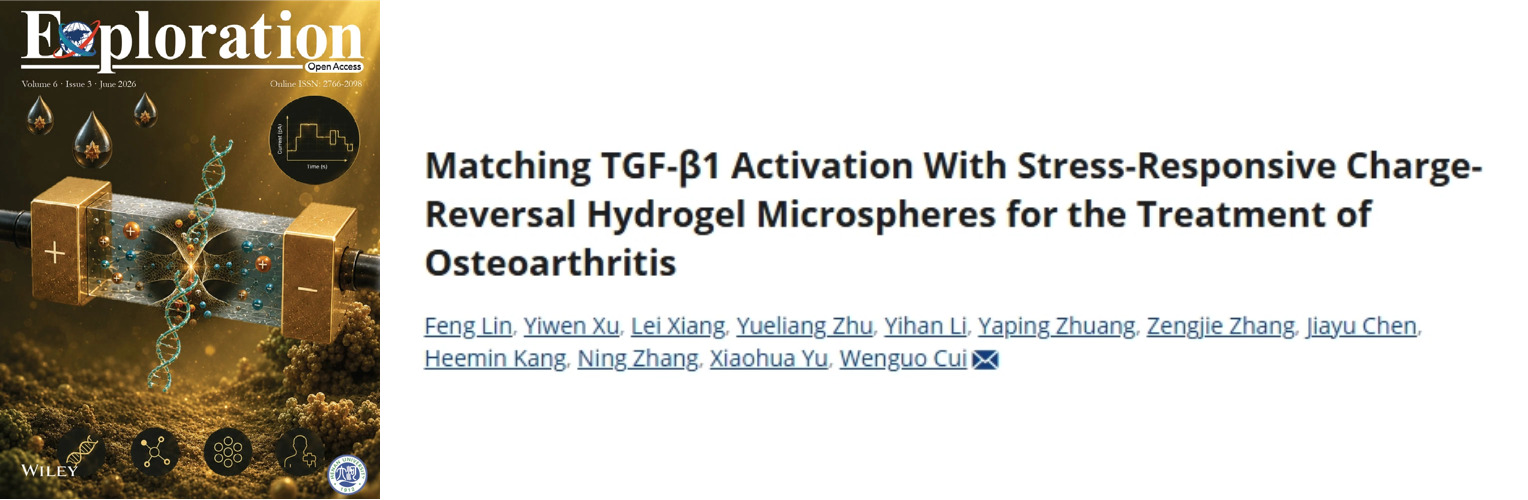
文献引用产品:
作者单位:浙江大学医学院附属第二医院
摘要:The abnormal activation of transforming growth factor-β1 (TGF-β1) is closely associated with the occurrence and progression of diseases. However, how to make the regulatory means match the pathological mechanical microenvironment-dependent activation of TGF-β1 to promote lesion repair still faces challenges. In this study, based on force-charge conversion technology, we developed the stress-responsive charge-reversal hydrogel microsphere system. Weakly cross-linked disulfide bonds in the microfluidic-synthesized microspheres break under mechanical stress, interacting with charge-reversal messenger to induce nanoparticle charge reversal (negative to positive). This mode is in line with the activation mechanism of TGF-β1 in the mechanical microenvironment, which can match the appropriate regulatory intensity and thus achieve high efficiency and low toxicity in OA treatment. Experimental results show that this hydrogel microsphere system has a 41.96% improvement in the repair effect of OA cartilage lesions compared to traditional microspheres, and more importantly, the impact on healthy cartilage is reduced by 96.89%. This study provides a new idea for the development of biomaterial regulatory systems that match the pathological microenvironment.
Journal of Extracellular
Vesicles [IF=21.7]
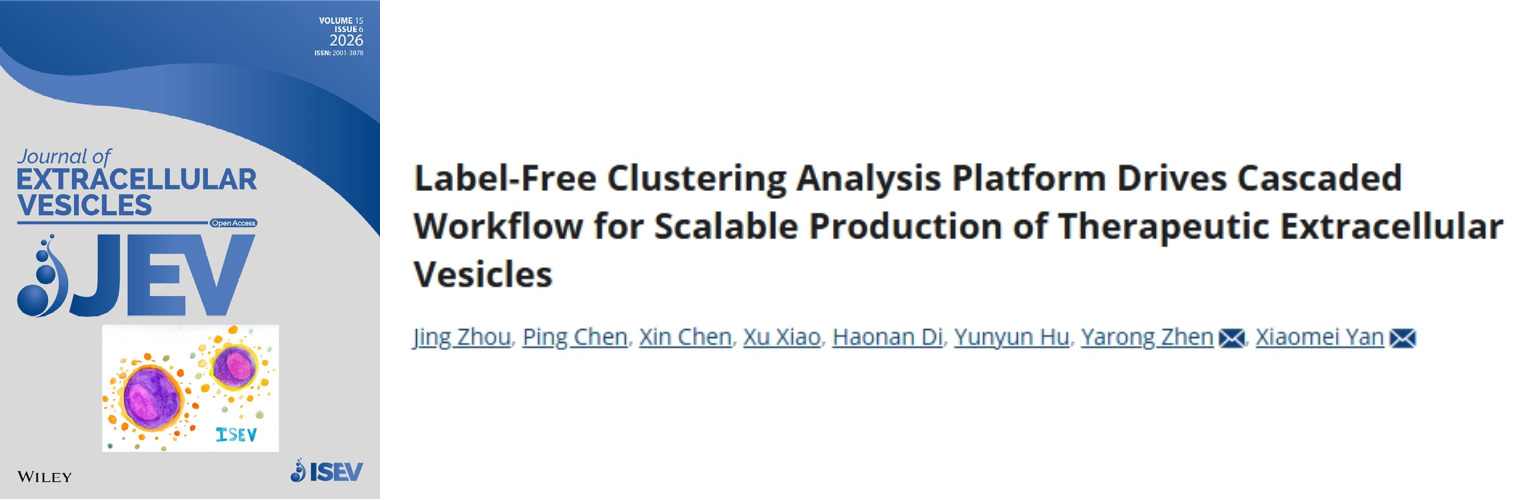
文献引用产品:
C-0005 | Normal Goat Serum | OtherAdvanced Functional
Materials [IF=19.9]
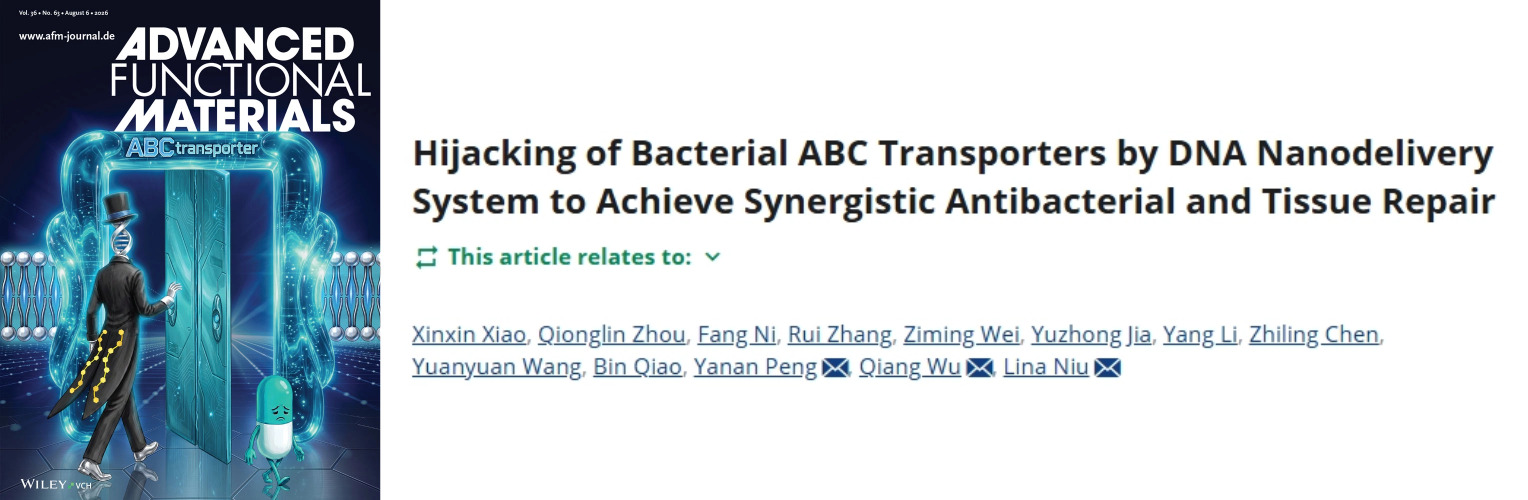
文献引用产品:
bs-6705R | PRKG1 | cGK1 Rabbit pAb | WB
bs-0296G | Goat anti-Mouse IgG (H&L) pAb | Other
作者单位:海南医学院
摘要:Antimicrobial resistance (AMR) poses a growing global health threat, particularly for soft tissue and wound infections caused by multidrug-resistant pathogens. Bacterial adenosine triphosphate (ATP)-binding cassette (ABC) transporters are essential for antibiotic efflux and nutrient uptake and offer a unique opportunity to convert innate microbial defenses into targeted therapeutic entry routes. Here, we report a size-controlled dumbbell-shaped DNA nanostructure functionalized with glucose polymers, biotinylated photosensitizers, and L-arginine as a nutrient-mimicking nanodelivery platform that hijacks bacterial ABC transporters. The ultrasmall DNA dumbbell and glucose polymer coating promoted efficient transporter-mediated internalization, enabling spatially confined photothermal/photodynamic antibacterial activity. Simultaneously, the heat-induced depolymerization of the DNA scaffold triggered L-arginine release and nitric oxide production, accelerating fibroblast migration and angiogenesis via the NO/cGMP/PKG pathway to enhance tissue repair. This system exhibited efficient bacterial targeting and potent bactericidal effects in vitro. In wound models inoculated with both MRSA and MDR-PA, it significantly reduced the bacterial burden, increased collagen deposition, and promoted rapid wound healing without detectable toxicity. Overall, this strategy repurposes bacterial physiological defenses as therapeutic conduits and provides a versatile approach for the precise treatment of AMR-associated infections.
Nature Micribiology
[IF=18.7]
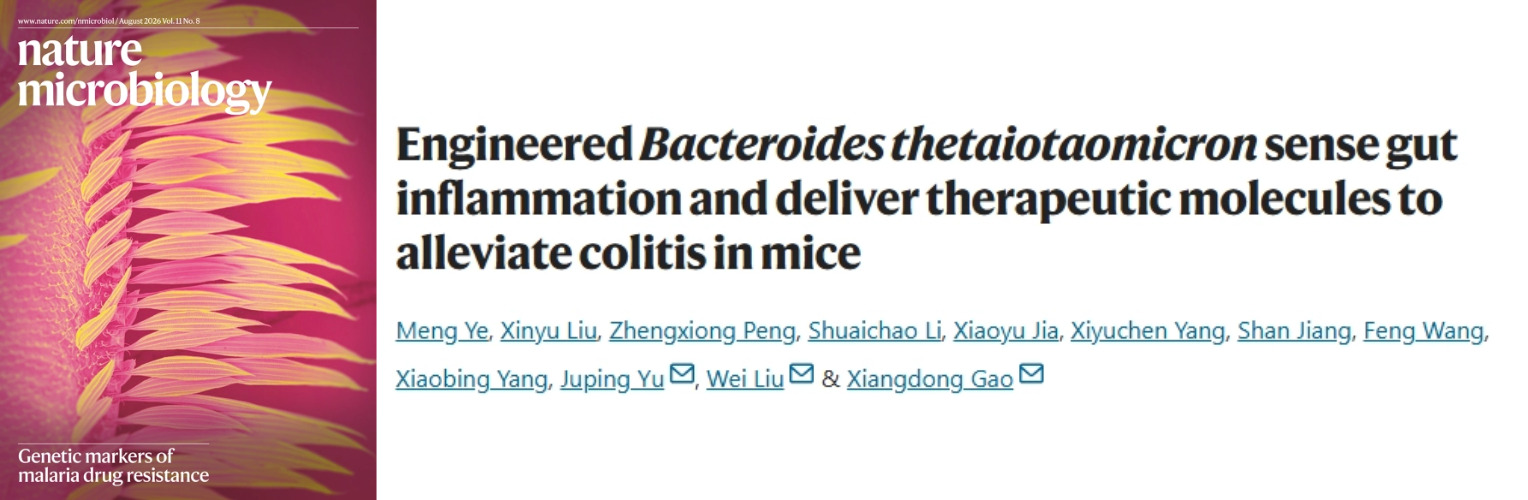
文献引用产品:
bs-0295G-Bio | Goat anti-Rabbit IgG (H&L) pAb, Bio conj. | FC
作者单位:中国药科大学
摘要:Engineered therapeutic microbes for intestinal inflammation must be capable of gut colonization, sensitive detection of disease-associated biomarkers and targeted delivery of therapeutic molecules. Examples of microbes displaying all three characteristics are limited. Here we engineered Bacteroides thetaiotaomicron, a human gut commensal bacterium with colonization ability, colonic tropism and innate anti-inflammatory properties, as a chassis to create programmable bacterial strains termed Btbots. We developed genetic circuits that were integrated into the bacterial chromosome to sense two intestinal inflammation biomarkers, deoxycholic acid (DCA) and nitric oxide (NO), and to enhance surface display and secretion of therapeutic molecules in response. Btbots with these biosensors were developed that either display trefoil factor-3 to facilitate mucosal repair or secrete interleukin-35 to suppress inflammation. These Btbots sensed DCA and NO biomarkers and released therapeutic agents, alleviating colitis and modulating the gut microenvironment and microbiota in mouse models. This work establishes a proof of concept for localized sensing and consequent therapeutic molecule release for gastrointestinal applications, whose clinical potential awaits further investigation.
Autophagy [IF=18.6]
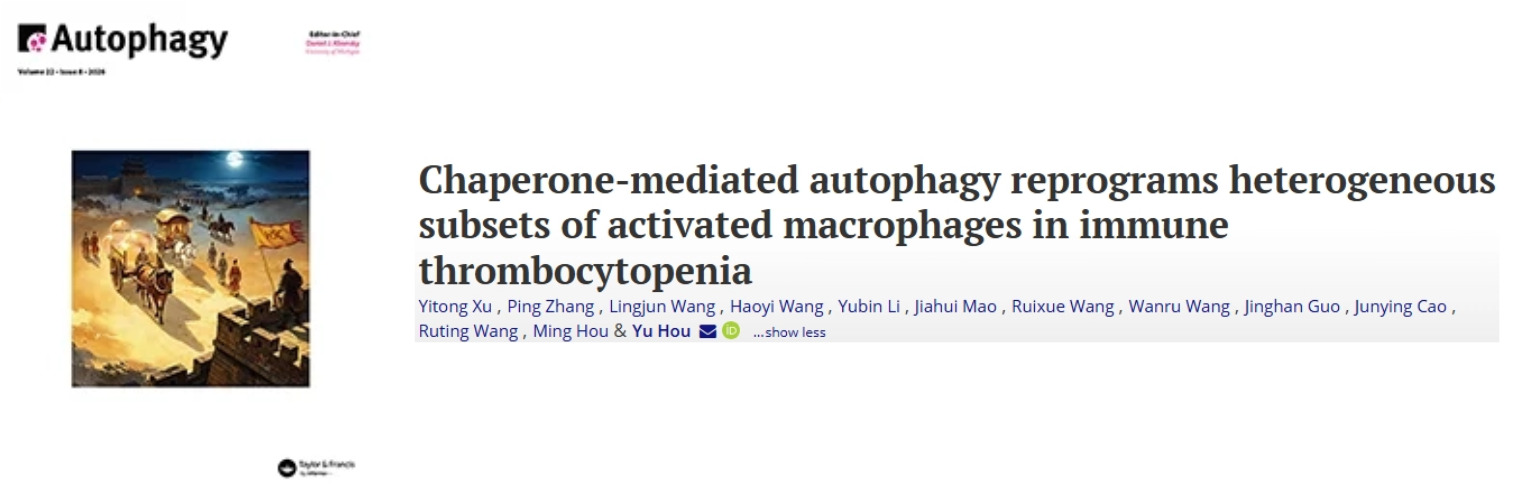
文献引用产品:
作者单位:安徽医科大学第一附属医院
摘要:Obesity is recognized as a key contributor to the impaired endometrial receptivity that results in infertility; however, the molecular mechanisms underlying endometrial dysfunction remain incom pletely understood. In this study, proteomic and ubiquitination analyses of secretory-phase endo metrial tissue revealed a significant upregulation of SNCA/synuclein alpha and dysregulation of macroautophagy/autophagy in women with obesity. SNCA is best known for its role in neurodegen erative protein aggregation disorders. Proteomic and ubiquitination analysis of secretory-phase endometrial tissue revealed a significant upregulation of SNCA and dysregulation of autophagy in women with obesity. This study aimed to elucidate the role and mechanistic basis of SNCA and autophagy in obesity-associated endometrial receptivity defects. We demonstrated that elevated SNCA expression in endometrium and endometrial stromal cells (ESCs) correlated with impaired autophagy and disrupted decidualization in vivo and vitro. Mechanistically, SNCA directly interacted with the E3 ubiquitin ligase STUB1 (STIP1 homology and U-box containing protein 1) in ESCs, thereby disrupting the association between STUB1 and phosphorylated TFEB (transcription factor EB; p-TFEB). This interaction attenuated p-TFEB degradation, leading to suppressed autophagic flux and ulti mately compromised decidualization of ESCs. Conversely, snca knockout alleviated obesity-induced endometrial impairments in mice. Moreover, STUB1 overexpression rescued decidualization and autophagy defects. Notably, metformin intervention restored autophagic activity and endometrial receptivity in obese mice by downregulation of SNCA independent of its autophagy-modulating effects. Together, these findings uncovered a novel pathogenic mechanism in which obesity-driven SNCA overexpression impairs endometrial receptivity by inhibiting STUB1-TFEB-mediated autophagy, positioning the SNCA-STUB1-TFEB axis as a promising therapeutic target for obesity-related endo metrial infertility
Autophagy [IF=18.6]
文献引用产品:
bs-6670R-PE | IGF2R | CD222/M6PR Rabbit pAb, PE conj. | FC
作者单位:山东大学齐鲁医院
摘要:IFNG (interferon gamma)-activated macrophages contribute to accelerated clearance of platelets and excessive secretion of inflammatory cytokines in immune thrombocytopenia (ITP). In this study, we identified two distinct subpopulations of activated macrophages: phagocytic macrophages (M[IFNG]p), which predominantly exhibit phagocytic activity, and inflammatory macrophages (M[IFNG]i), characterized by their pro-inflammatory capacity. The M(IFNG)p and M(IFNG)i subsets were functionally disturbed in patients with ITP. Chaperone-mediated autophagy (CMA) deficiency in macrophages was discovered in ITP and has been reported to induce sustained inflammation. Furthermore, CMA interference enhanced pro-inflammatory function rather than phagocytic activity of macrophages in vitro. In parallel, macrophage-specific conditional lamp2a (lysosome associated membrane protein 2A) knockout mice exhibited expansion and excessive cytokine release of M(IFNG)i. Restoring CMA restrains M(IFNG)i subset and reprograms M(IFNG)p subset via ALDH2 (aldehyde dehydrogenase 2 family member) in ITP. Here, anti-ITGB3/CD61 immune-sensitized splenocytes were transferred into severe combined immunodeficient mice to establish an active murine model of ITP. CMA activation diminished the pro-inflammatory and phagocytic activity of activated macrophages and ameliorated thrombocytopenia in ITP mice. MeRIP-sequencing identified PTEN (phosphatase and tensin homolog) as a crucial activator for LAMP2A, exhibiting decreased m6A methylation and subsequent downregulation, which indicated a potential mechanism underlying CMA deficiency in activated macrophages. In conclusion, restoring CMA restrains the M(IFNG)i subset and reprograms the M(IFNG)p subset via ALDH2 to raise platelet counts in ITP. Targeting CMA in activated primary human macrophages presents a promising therapeutic strategy to rapidly and sustainably increase platelet counts and restore immune balance in ITP.
Nature Communications [IF=18.1]
文献引用产品:
bs-2653R | SPHK2 | SK2 Rabbit pAb | mIF
作者单位:美国南卡罗来纳大学
摘要:Myeloid-derived suppressor cells (MDSCs) in the tumor microenvironment (TME) limit the efficacy of adoptive T cell therapies, highlighting the need to overcome tumor-associated immunosuppression. Sphingosine-1-phosphate (S1P), is an abundant signaling lipid in the TME. Here, we show that inhibition of sphingosine kinase-2 (SphK2), the enzyme generating S1P in MDSCs, reduces the suppressive activity of monocytic MDSCs (M-MDSCs) while promoting their differentiation toward a mature, immunogenic phenotype characterized by enhanced antigen presentation. Pharmacological SphK2 inhibition enhances the response to anti–PD–1 therapy in preclinical models of checkpoint-resistant breast, bladder, and melanoma cancers by mitigating MDSC-mediated suppression and limiting tumor progression. Mechanistically, S1P directly binds acetyl-CoA carboxylase-1 (ACC1) to inhibit its activity, thereby rewiring fatty-acid metabolism. Lowering intracellular S1P restores ACC activity, promotes phosphatidylcholine synthesis, and reduces MDSC immunosuppression. These findings identify the SphK2–ACC–phospholipid axis as a metabolic checkpoint controlling the immunogenicity of MDSCs and a potential therapeutic target for enhancing cancer immunotherapy.
Nature Communications [IF=18.1]
文献引用产品:
bs-3737R | PPARG | PPAR gamma (p-S112) Rabbit pAb | WB
作者单位:南京医科大学附属儿童医院
摘要:Mycobacterium tuberculosis (M.tb) actively reprograms host lipid metabolism during infection; however, the underlying mechanism remains poorly understood. How M.tb manipulates macrophage lipid metabolism to induce lipid peroxidation and ferroptosis for bacterial persistence remains a fundamental question. Here, using single-cell RNA sequencing and proteomics, we show that M.tb infection substantially upregulates peroxisome proliferator-activated receptor gamma (PPARγ) in macrophages. Mechanistically, M.tb isocitrate dehydrogenase (IDH) interacts with PPARγ and impairs its proteasomal degradation. Elevated PPARγ suppresses glutathione peroxidase 4 (Gpx4) expression by recruiting the NCOR/SMRT corepressor complex to the Gpx4 promoter, resulting in increased lipid peroxidation and ferroptosis in infected macrophages. In mice, PPARγ knockout or pharmacological inhibition decreases lung inflammation and M.tb burden, restores GPX4 expression, and enhances macrophage survival. Our findings reveal a mechanism by which M.tb exploits the IDH-PPARγ axis to induce ferroptosis and sustain persistent infection, identifying therapeutic targets for tuberculosis treatment through disruption of this interaction.