HSP60 Recombinant Rabbit mAb (一抗) - WB,IHC-P,IHC-F,IF,Flow-Cyt,ICC/IF | Bioss
Rrmab?兔单抗
货号:bsm-61183R
产品详情
相关标记
相关产品
相关文献
常见问题
概述
产品编号
bsm-61183R
产品类型
重组兔单抗、mIHC精品抗体
英文名称
HSP60 Recombinant Rabbit mAb
中文名称
热休克蛋白-60/groEL重组兔单抗
英文别名
CPN60; GROEL; HLD4; HSP-60; HSP60; HSP65; HuCHA60; SPG13; 60kDa; HSP-65; Hspd1-30p; CH60_MESAU; HSPD1; 60 kDa chaperonin; Chaperonin 60 (CPN60); Heat shock protein 60 (HSP-60 | Hsp60); Mitochondrial matrix protein P1; 5.6.1.7; CH60_HUMAN; Heat shock protein family D member 1; P60 lymphocyte protein; CH60_MOUSE; CH60_RAT; heat shock protein family D (Hsp60) member 1; heat shock 60kD protein 1 (chaperonin); spastic paraplegia 13 (autosomal dominant); heat shock 60kDa protein 1 (chaperonin)
抗体来源
Rabbit
免疫原
A synthesized peptide derived from human Hsp60: 420-460
亚型
IgG
性状
Liquid
纯化方法
affinity purified by Protein A
克隆类型
Recombinant
克隆号
9A8
理论分子量
61 kDa
检测分子量
60 kDa
储存液
10mM phosphate buffered saline(pH 7.4) with 150mM sodium chloride, 0.05% BSA, 0.02% Proclin300 and 50% glycerol.
SWISS
Gene ID
保存条件
Store at 4℃ for short term. Store at -20℃ for long term. Avoid repeated freeze/thaw cycles.
注意事项
This product as supplied is intended for research use only, not for use in human, therapeutic or diagnostic applications.
数据库链接
产品介绍
信号传导(Signaling Intermediates)
HSP60是一类进化上高度保守的蛋白质家族.生理状态时协助多肽或蛋白质的正确转位、折叠和装配,起"分子伴侣"的作用;在应激状态下,HSP60过表达或异位表达,作为一种自身抗原被免疫系统识别,诱发机体的保护性免疫应答,也可作为一种信号分子,在信号转导中发挥作用.
该蛋白与肿瘤的发生、增殖及分化有关,主要用于舌鳞癌、结肠癌、胰腺癌和乳腺癌的研究,近年来研究证实HSP60在自身免疫性疾病、传染病、动脉粥样硬化及慢性感染的发病中均发挥重要的作用。
HSP-60热休克蛋白-蛋白质折叠过程的引导因子
分子伴侣是一种引导蛋白质正确折叠的蛋白质。当蛋白质折叠时,它们能保护蛋白质分子免受其它蛋白质的干扰。很多分子伴侣属于热休克蛋白(例如HSP-60),它们在细胞受热时大量合成。热激可导致蛋白质稳定性降低,增加错误折叠的几率,因此在受到热刺激时,细胞中的蛋白质需要更多热休克蛋白的帮助。
HSP-60是一种典型的分子伴侣,它可以为正在折叠的蛋白质提供一个附着环境,从而起到保护折叠过程的作用。
HSP60是一类进化上高度保守的蛋白质家族.生理状态时协助多肽或蛋白质的正确转位、折叠和装配,起"分子伴侣"的作用;在应激状态下,HSP60过表达或异位表达,作为一种自身抗原被免疫系统识别,诱发机体的保护性免疫应答,也可作为一种信号分子,在信号转导中发挥作用.
该蛋白与肿瘤的发生、增殖及分化有关,主要用于舌鳞癌、结肠癌、胰腺癌和乳腺癌的研究,近年来研究证实HSP60在自身免疫性疾病、传染病、动脉粥样硬化及慢性感染的发病中均发挥重要的作用。
HSP-60热休克蛋白-蛋白质折叠过程的引导因子
分子伴侣是一种引导蛋白质正确折叠的蛋白质。当蛋白质折叠时,它们能保护蛋白质分子免受其它蛋白质的干扰。很多分子伴侣属于热休克蛋白(例如HSP-60),它们在细胞受热时大量合成。热激可导致蛋白质稳定性降低,增加错误折叠的几率,因此在受到热刺激时,细胞中的蛋白质需要更多热休克蛋白的帮助。
HSP-60是一种典型的分子伴侣,它可以为正在折叠的蛋白质提供一个附着环境,从而起到保护折叠过程的作用。
背景资料
Chaperonin implicated in mitochondrial protein import and macromolecular assembly. Together with Hsp10, facilitates the correct folding of imported proteins. May also prevent misfolding and promote the refolding and proper assembly of unfolded polypeptides generated under stress conditions in the mitochondrial matrix.
基因名
HSPD1
蛋白名
60 kDa heat shock protein, mitochondrial
亚基
Interacts with HRAS (By similarity). Interacts with HBV protein X and HTLV-1 protein p40tax. Interacts with ATAD3A.
亚细胞定位
Mitochondrion matrix.
疾病
Spastic paraplegia autosomal dominant 13 (SPG13) [MIM:605280]: A form of spastic paraplegia, a neurodegenerative disorder characterized by a slow, gradual, progressive weakness and spasticity of the lower limbs. Rate of progression and the severity of symptoms are quite variable. Initial symptoms may include difficulty with balance, weakness and stiffness in the legs, muscle spasms, and dragging the toes when walking. In some forms of the disorder, bladder symptoms (such as incontinence) may appear, or the weakness and stiffness may spread to other parts of the body. Note=The disease is caused by mutations affecting the gene represented in this entry.
Leukodystrophy, hypomyelinating, 4 (HLD4) [MIM:612233]: A severe autosomal recessive hypomyelinating leukodystrophy. Clinically characterized by infantile-onset rotary nystagmus, progressive spastic paraplegia, neurologic regression, motor impairment, profound mental retardation. Death usually occurs within the first two decades of life. Note=The disease is caused by mutations affecting the gene represented in this entry.
Leukodystrophy, hypomyelinating, 4 (HLD4) [MIM:612233]: A severe autosomal recessive hypomyelinating leukodystrophy. Clinically characterized by infantile-onset rotary nystagmus, progressive spastic paraplegia, neurologic regression, motor impairment, profound mental retardation. Death usually occurs within the first two decades of life. Note=The disease is caused by mutations affecting the gene represented in this entry.
相似性
Belongs to the chaperonin (HSP60) family.
功能
Implicated in mitochondrial protein import and macromolecular assembly. May facilitate the correct folding of imported proteins. May also prevent misfolding and promote the refolding and proper assembly of unfolded polypeptides generated under stress conditions in the mitochondrial matrix.
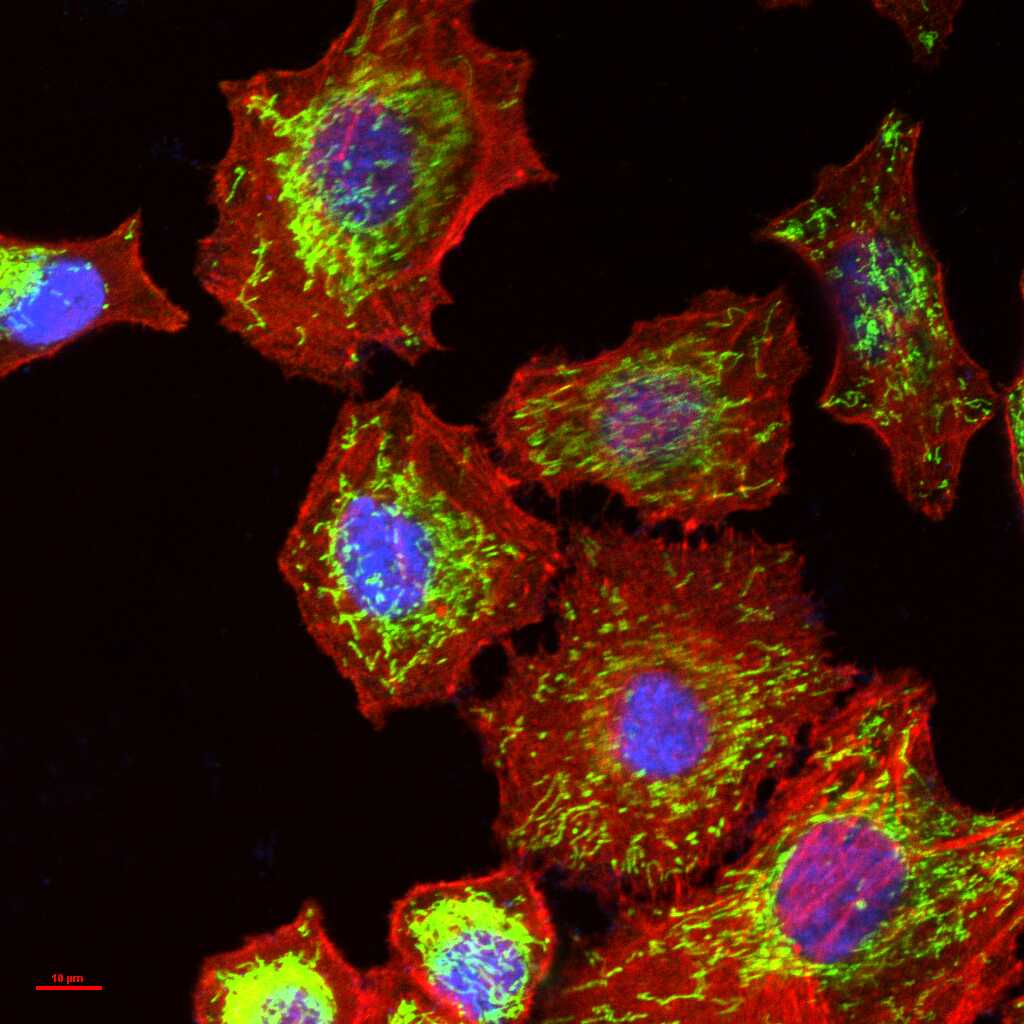
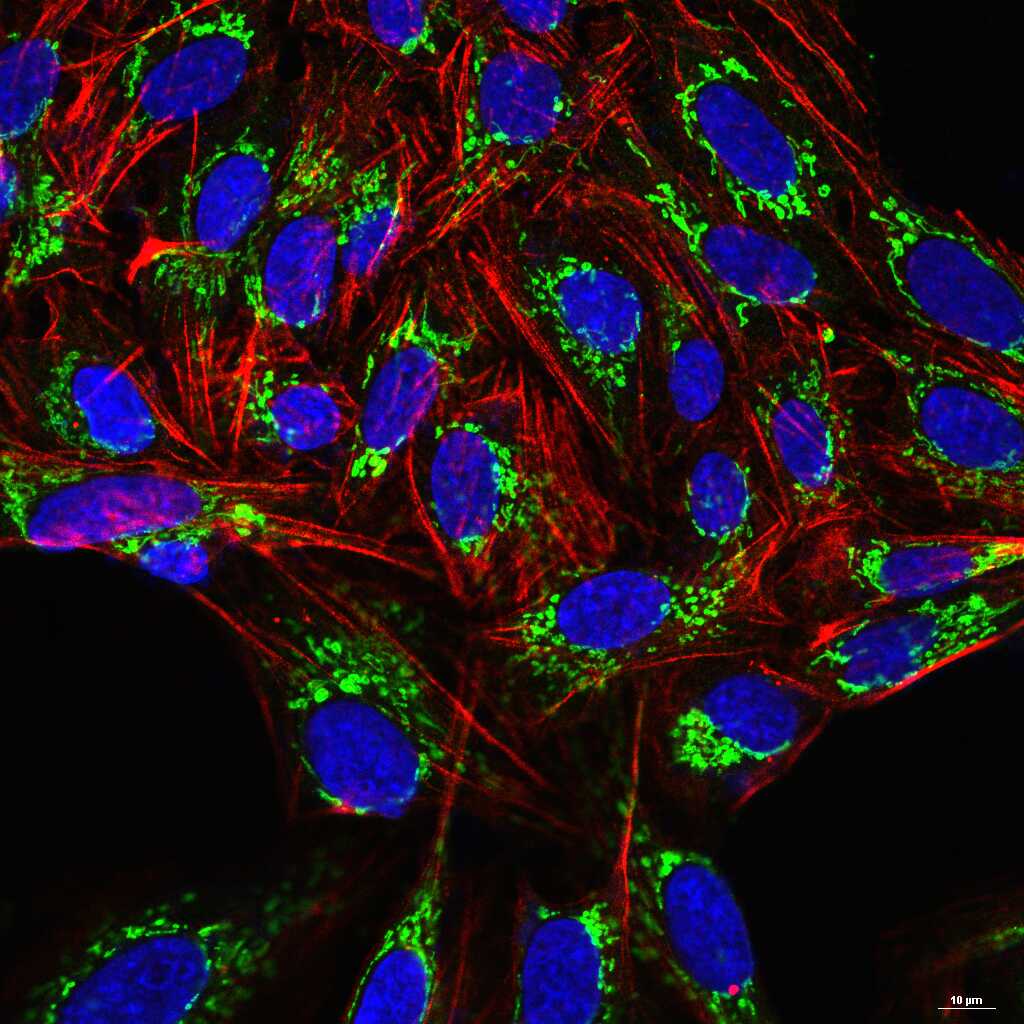
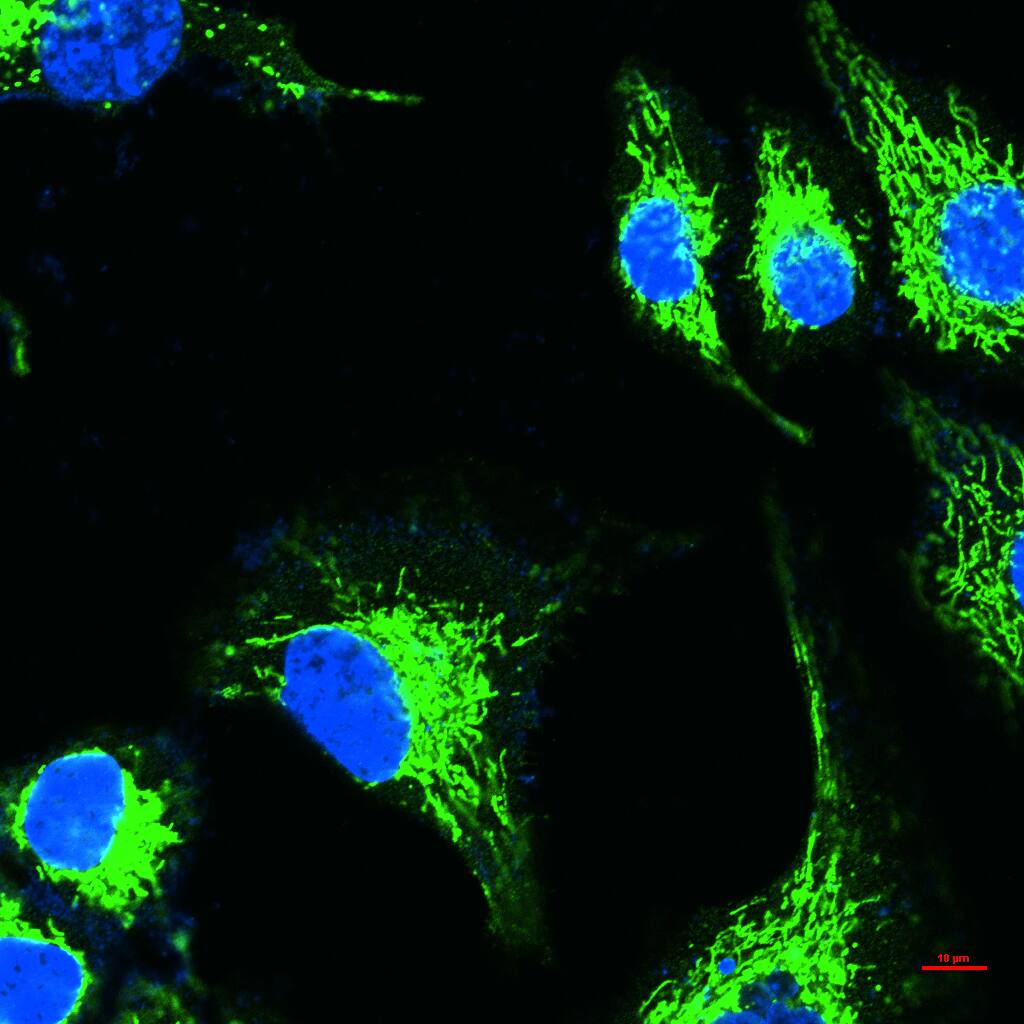
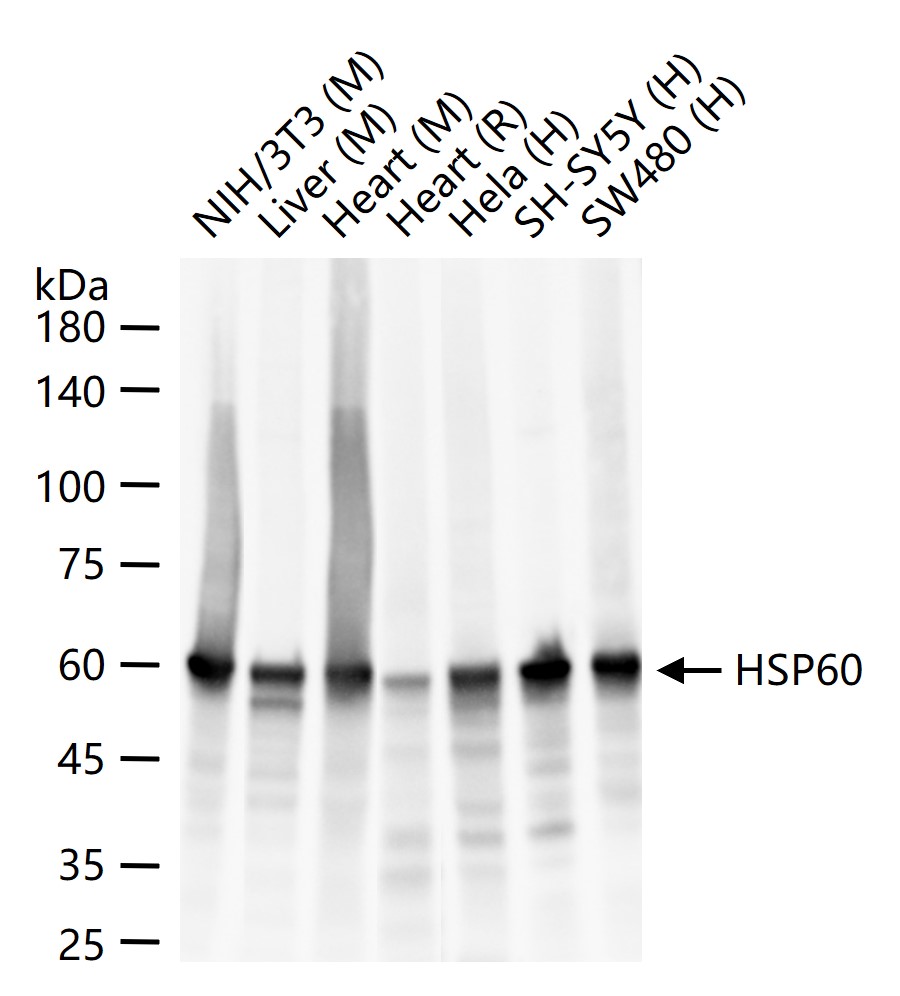
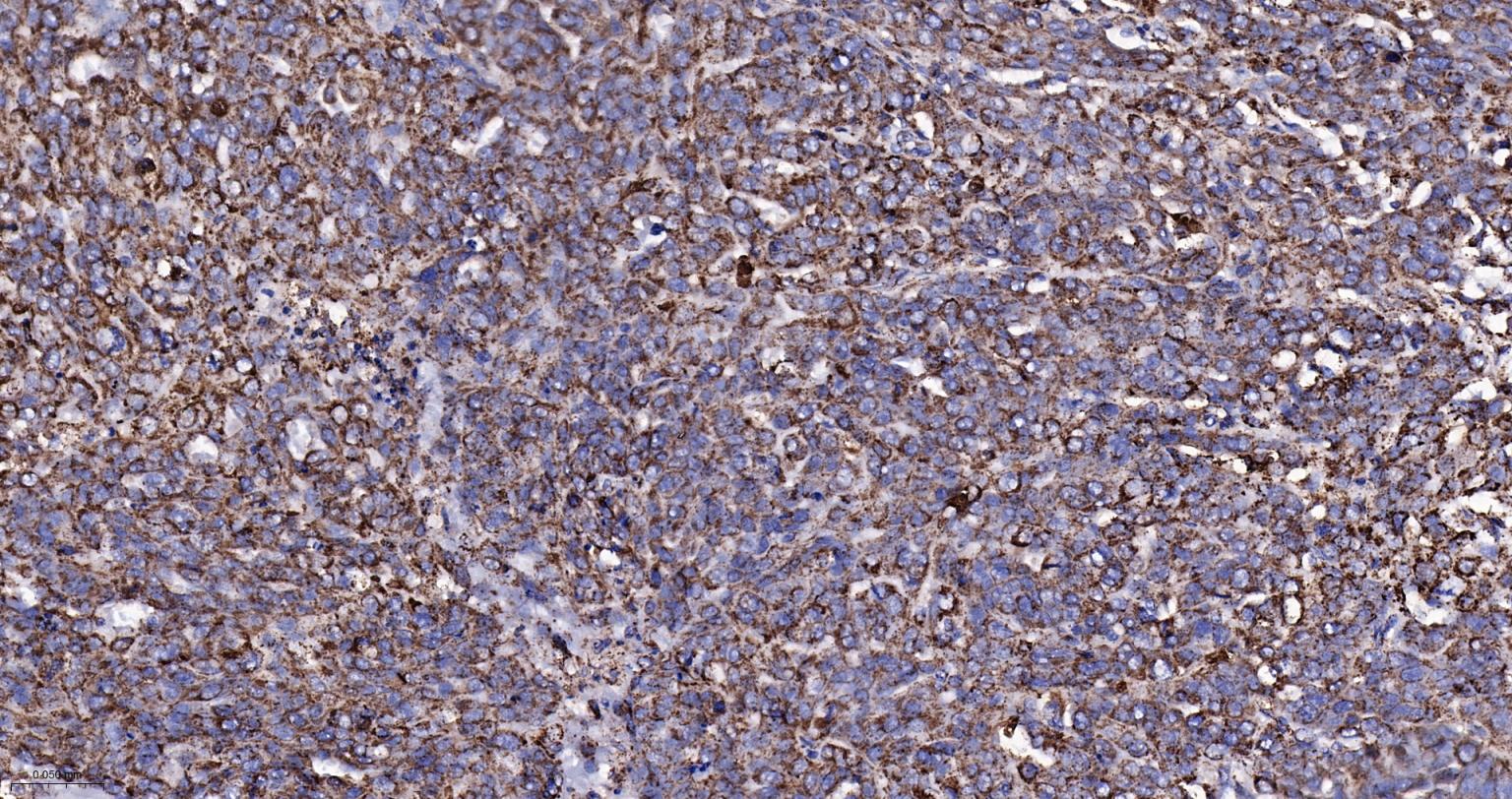
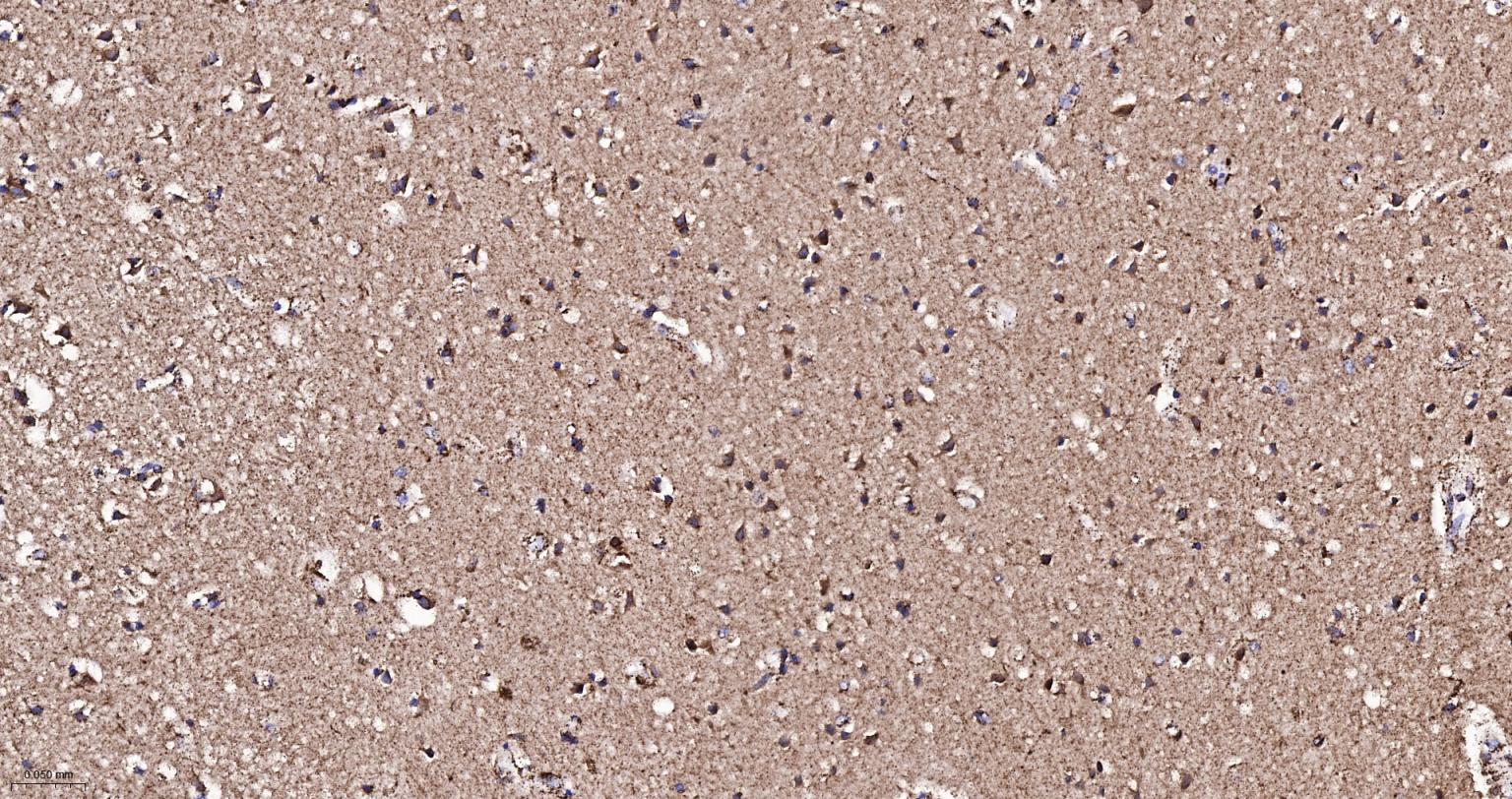
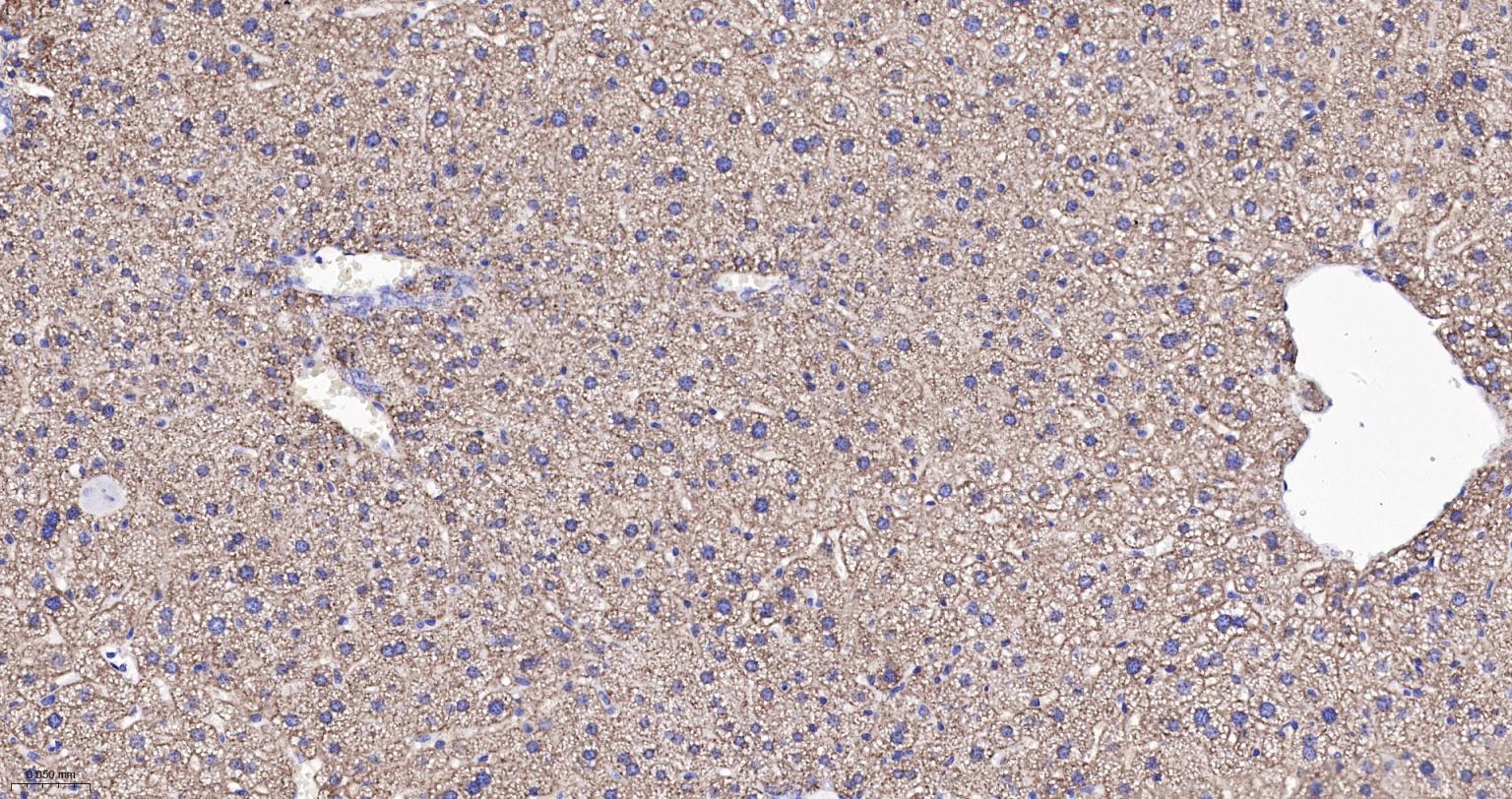
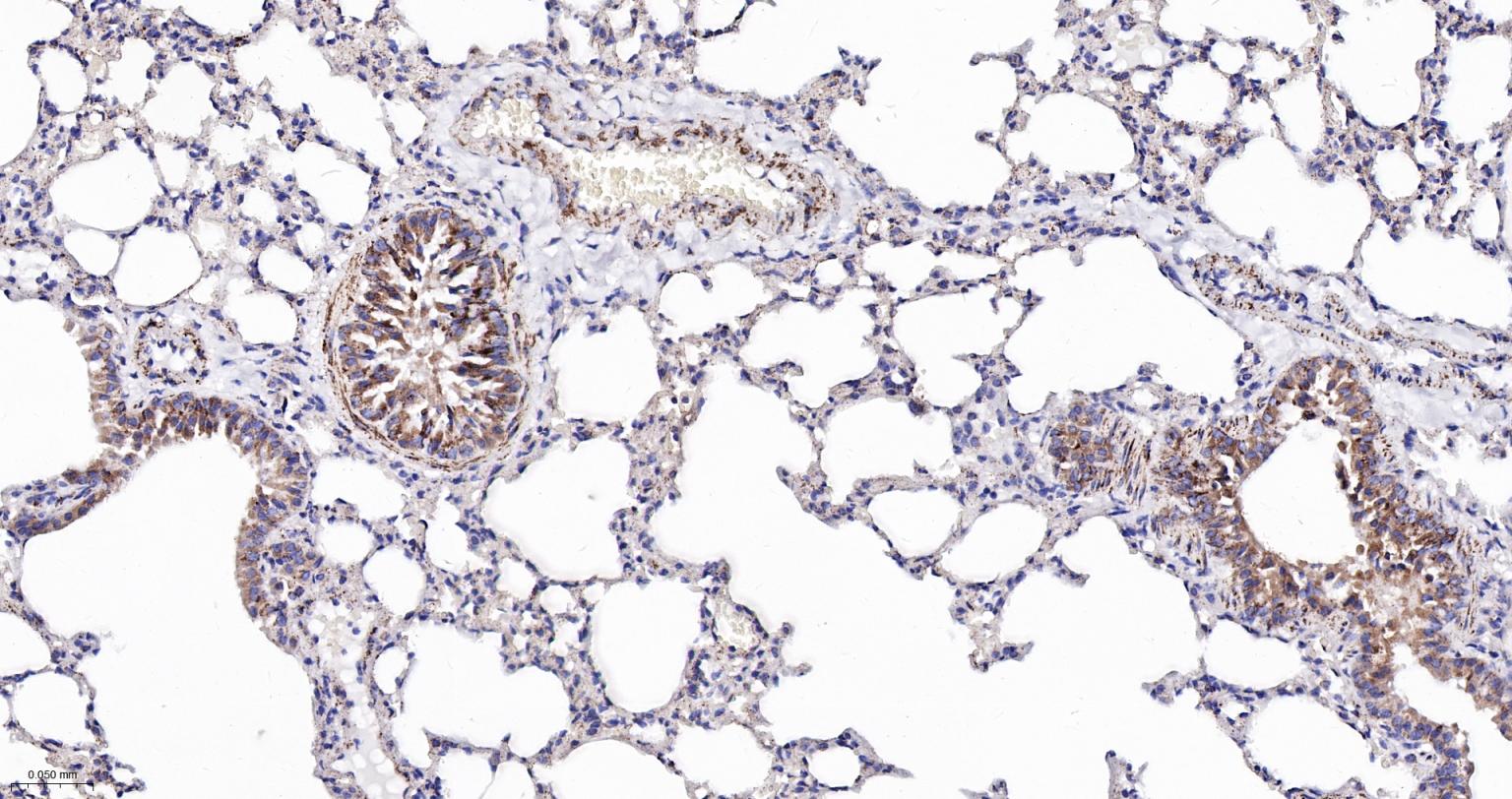
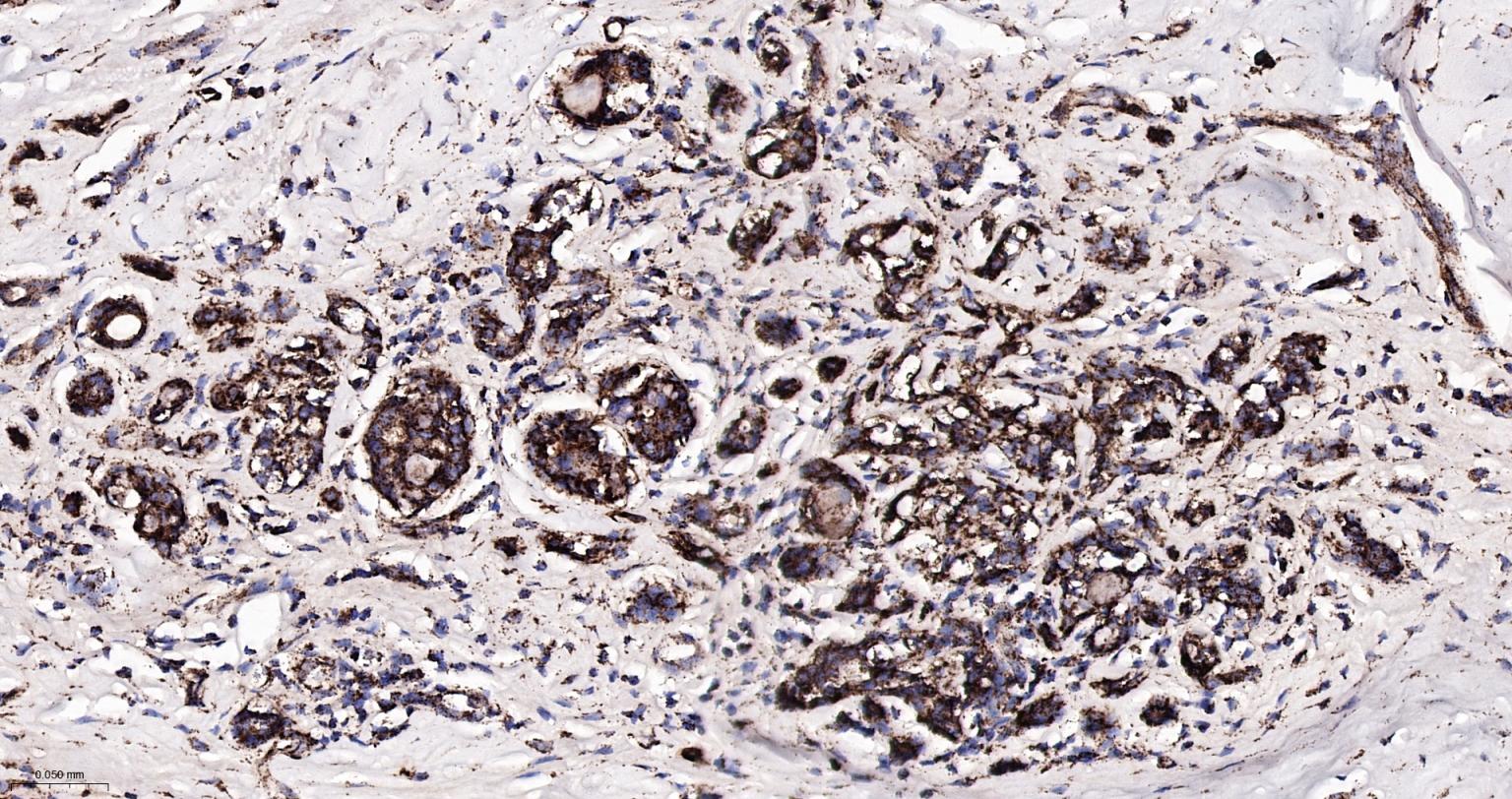
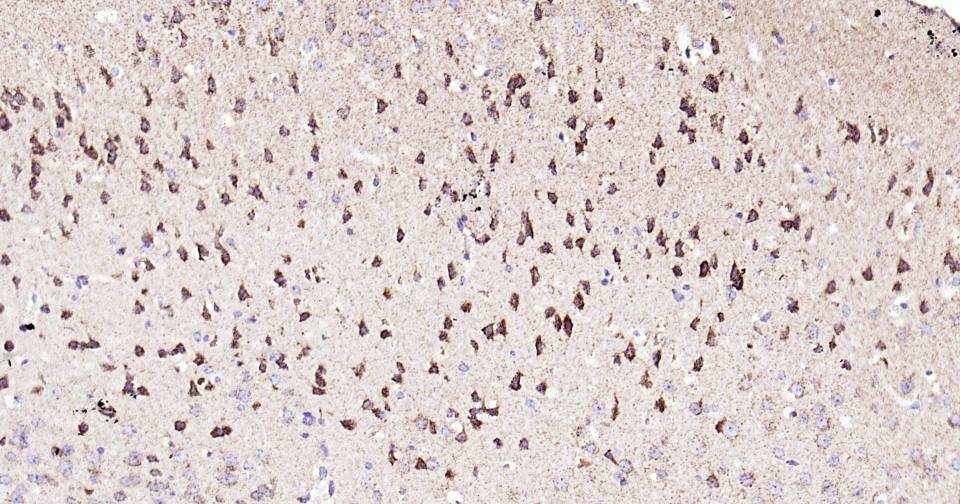
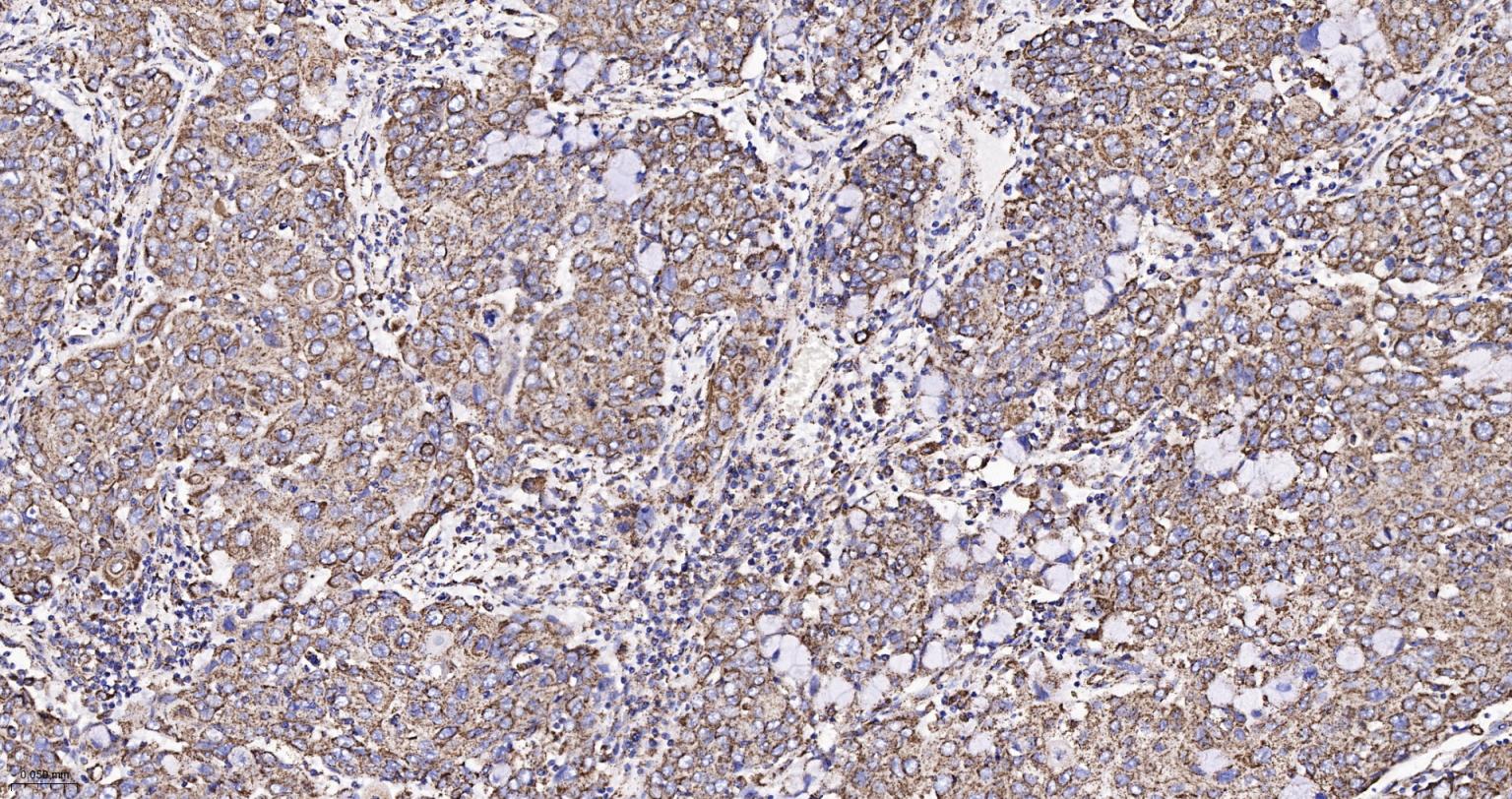
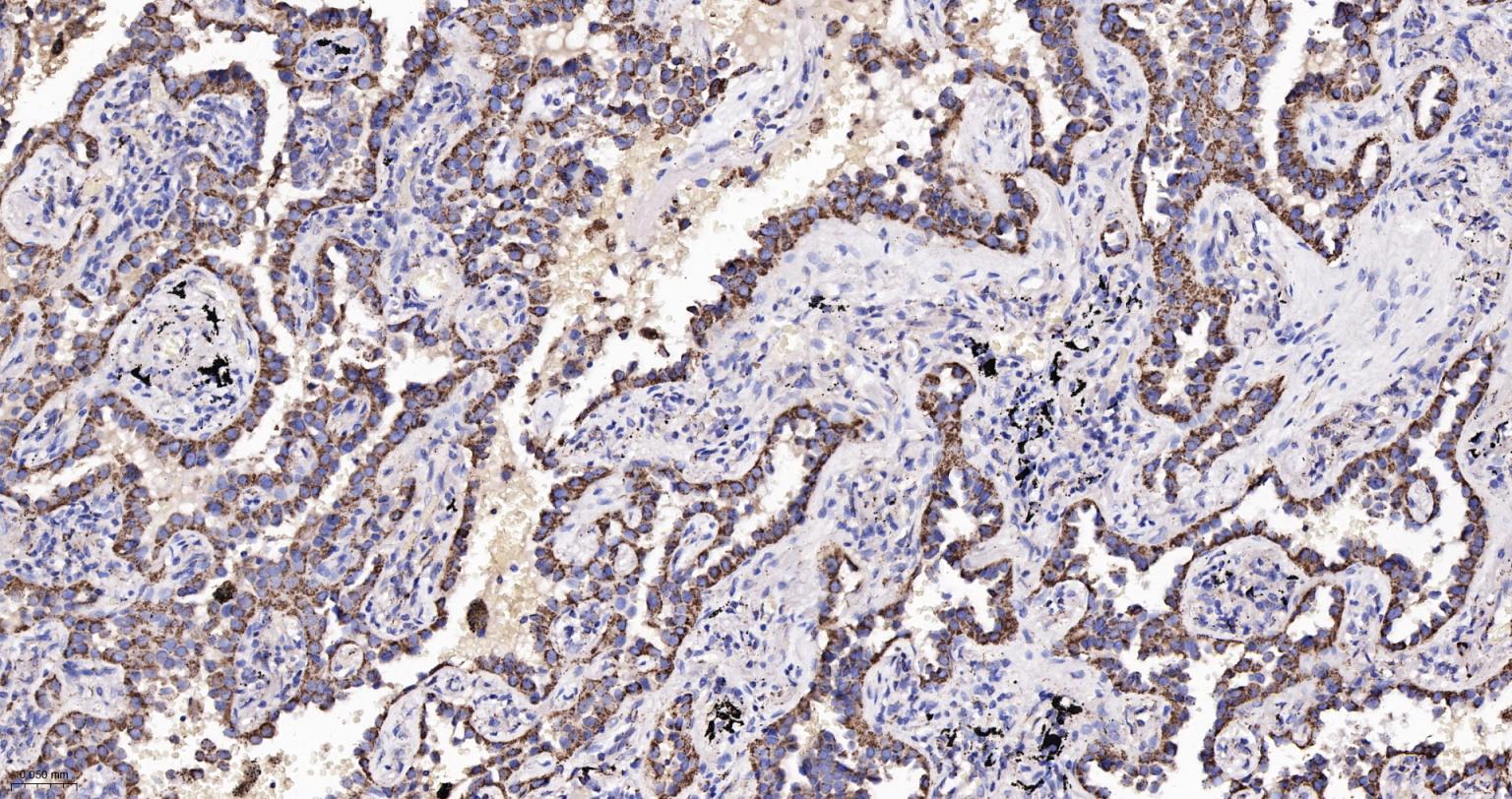
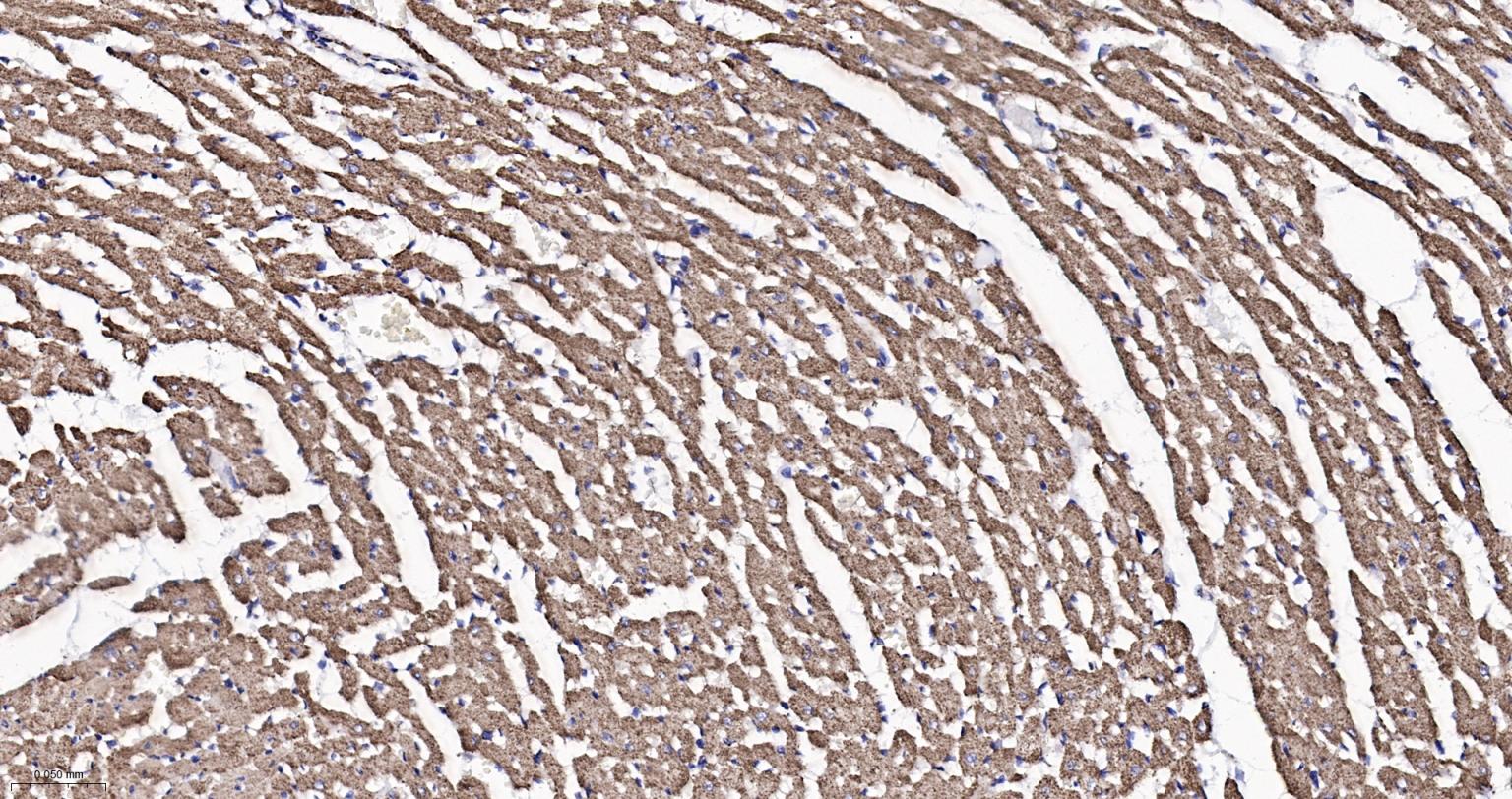
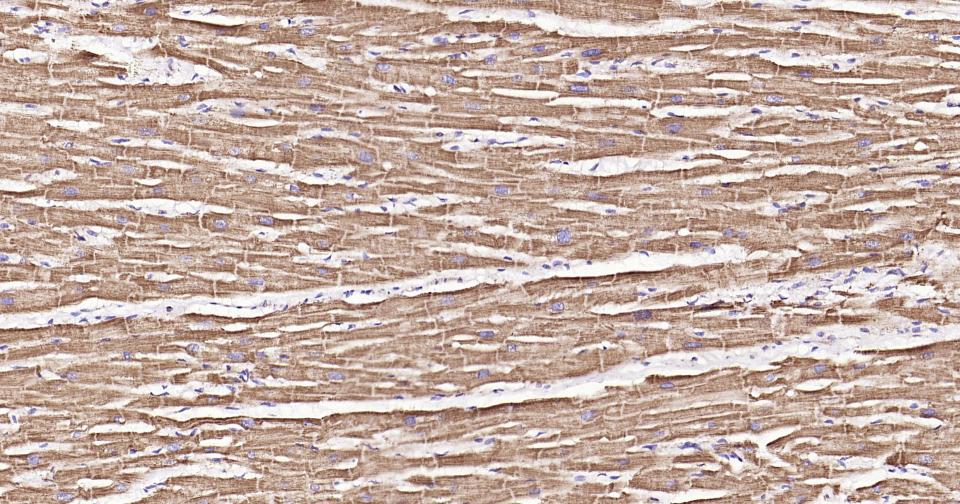
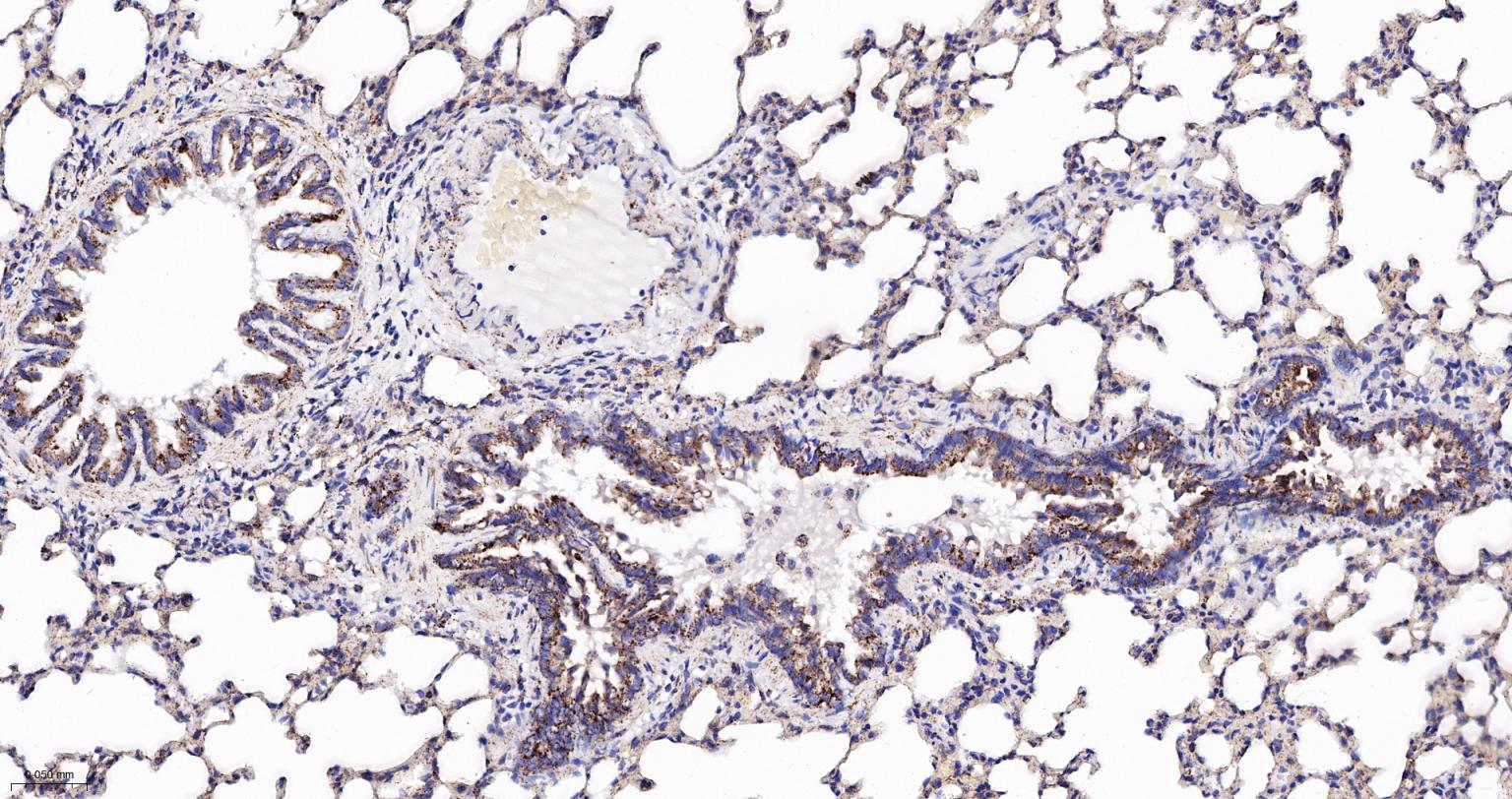
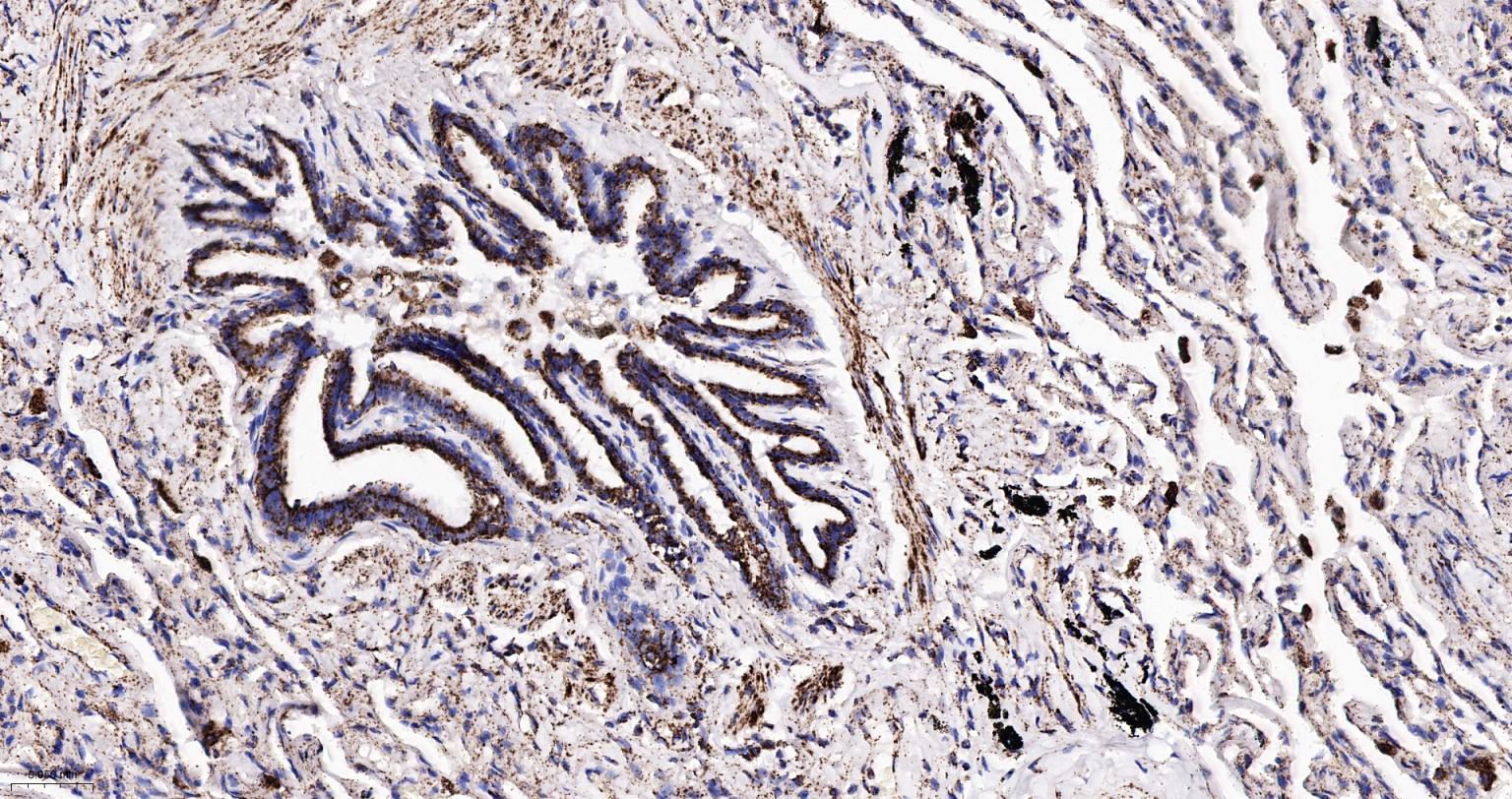
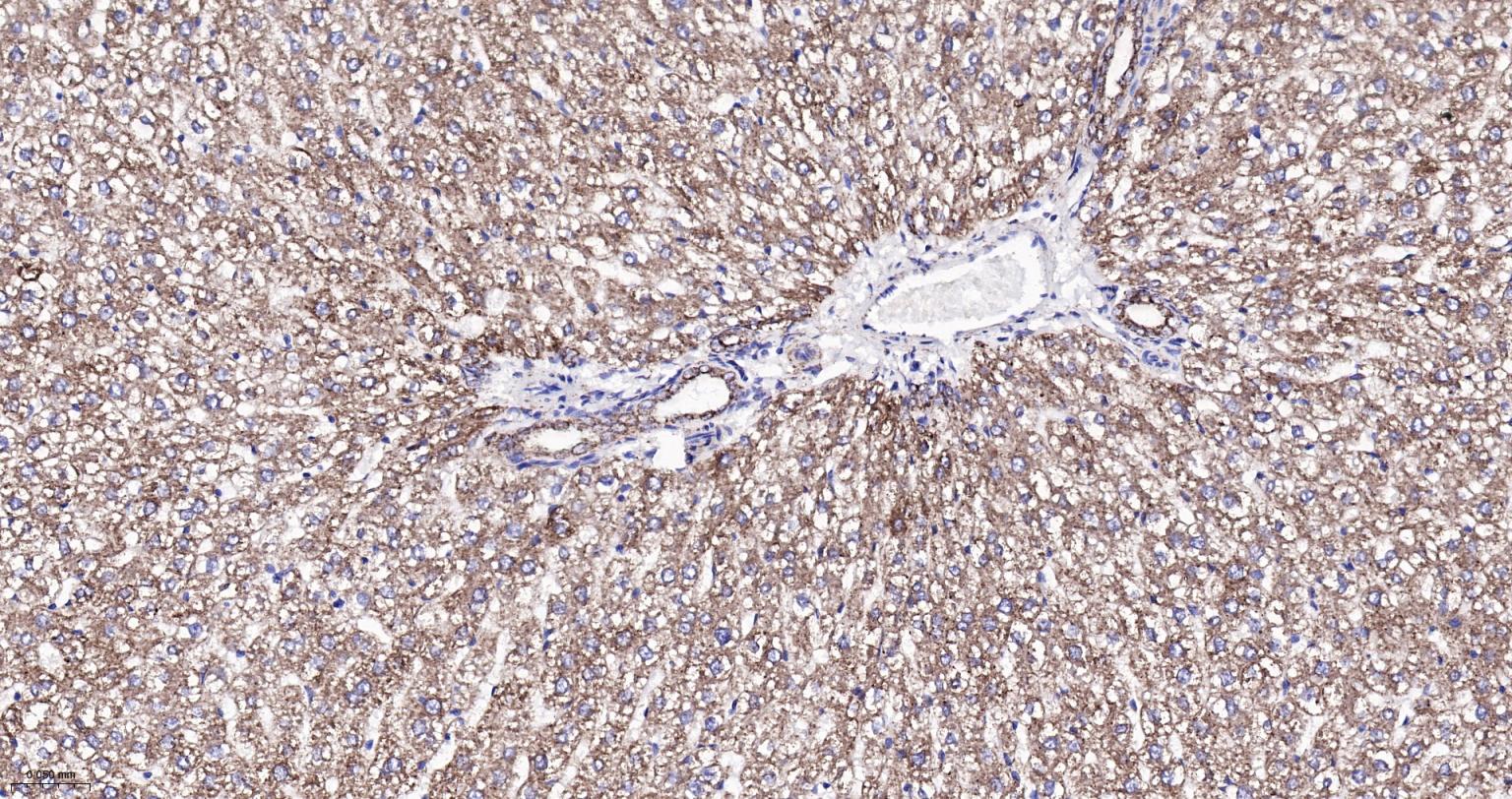
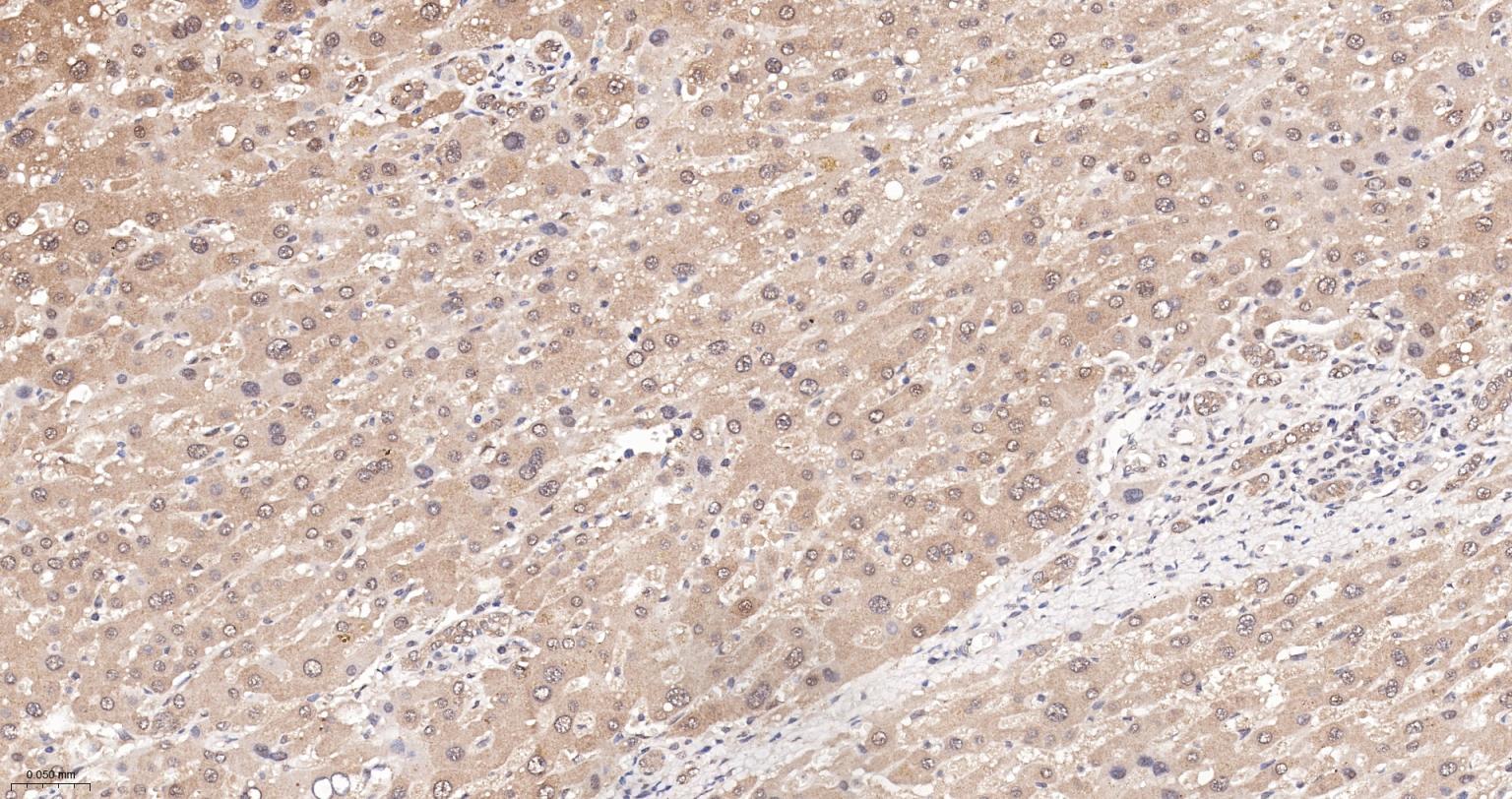
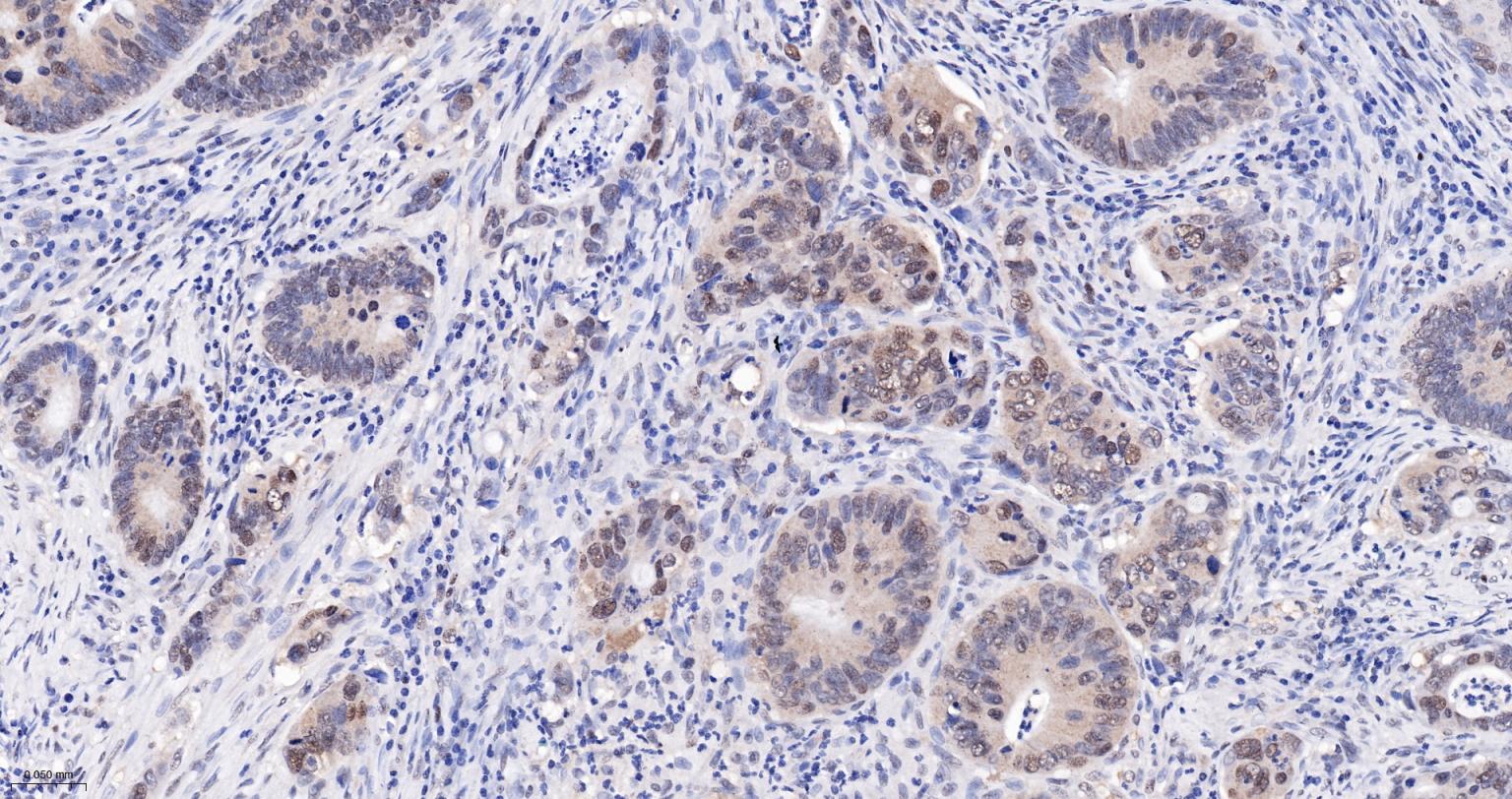
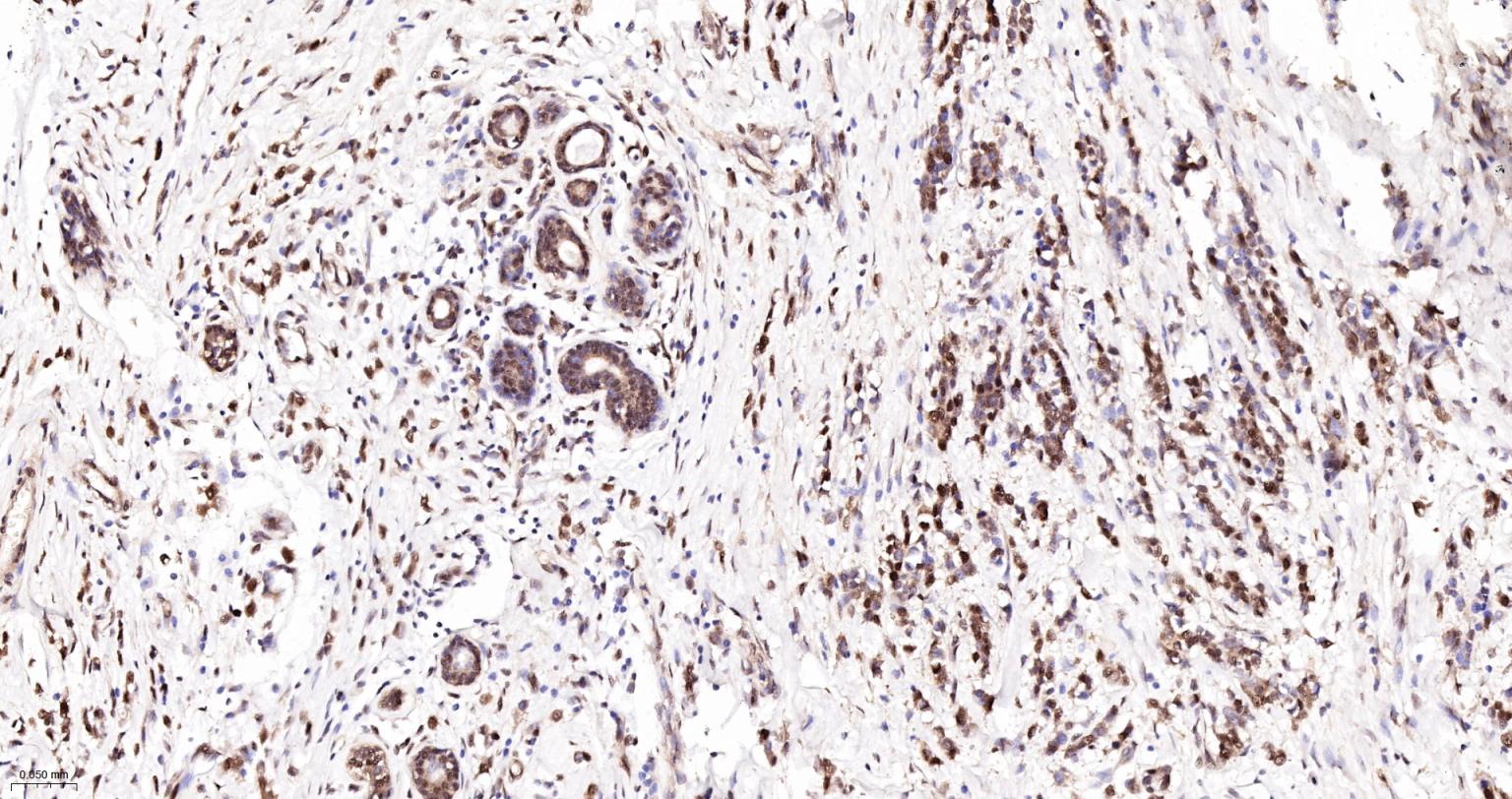
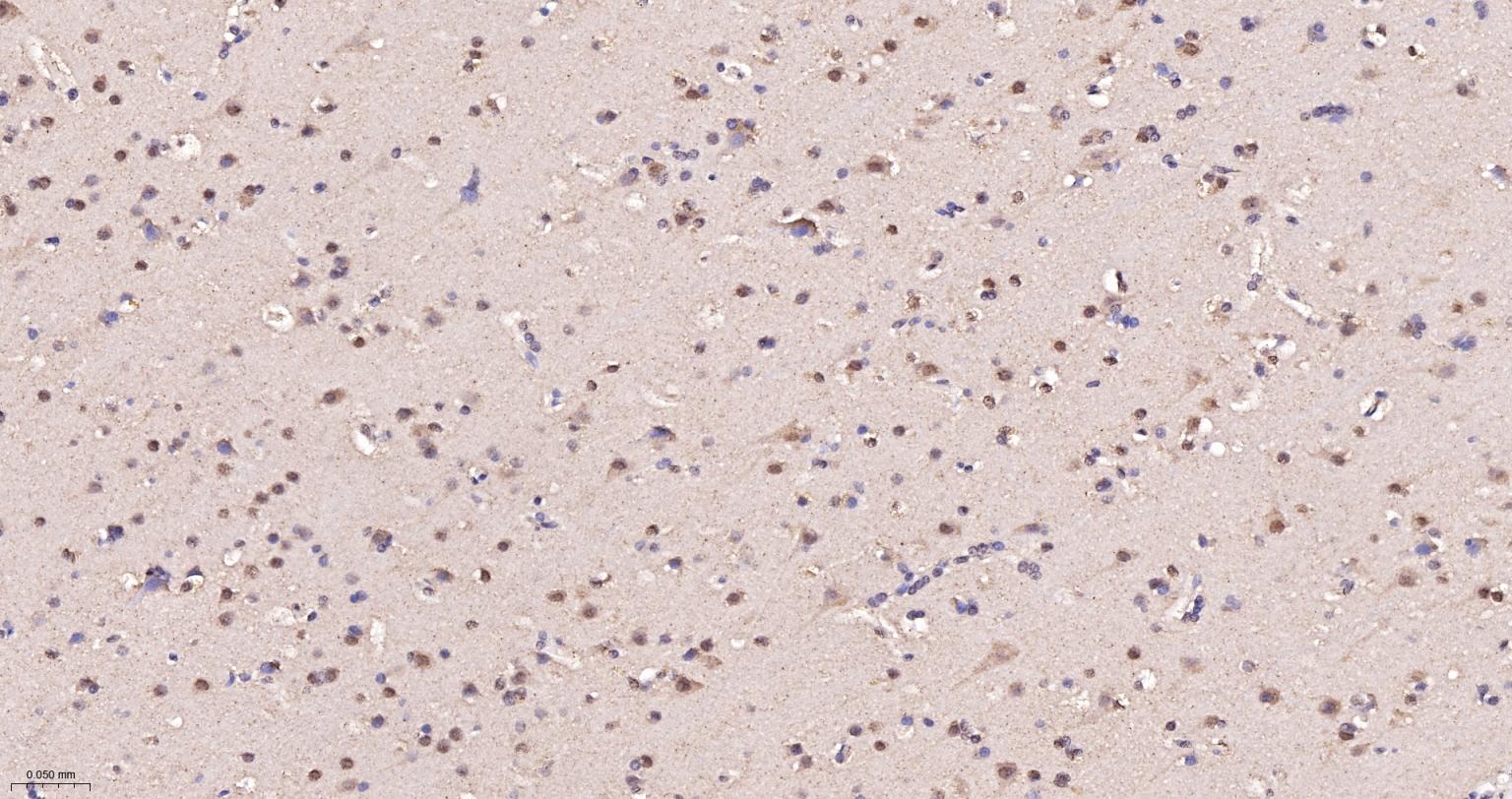
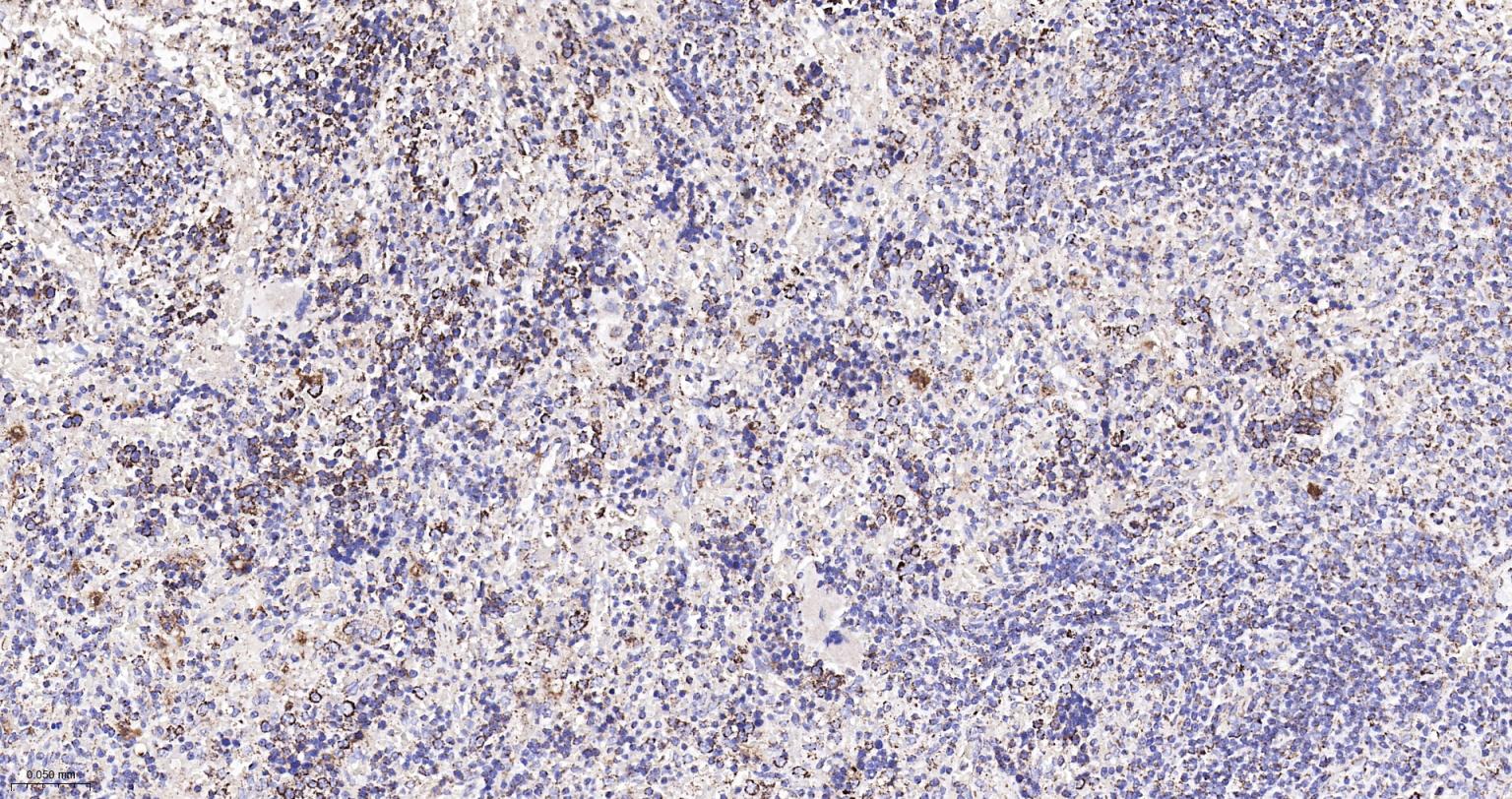
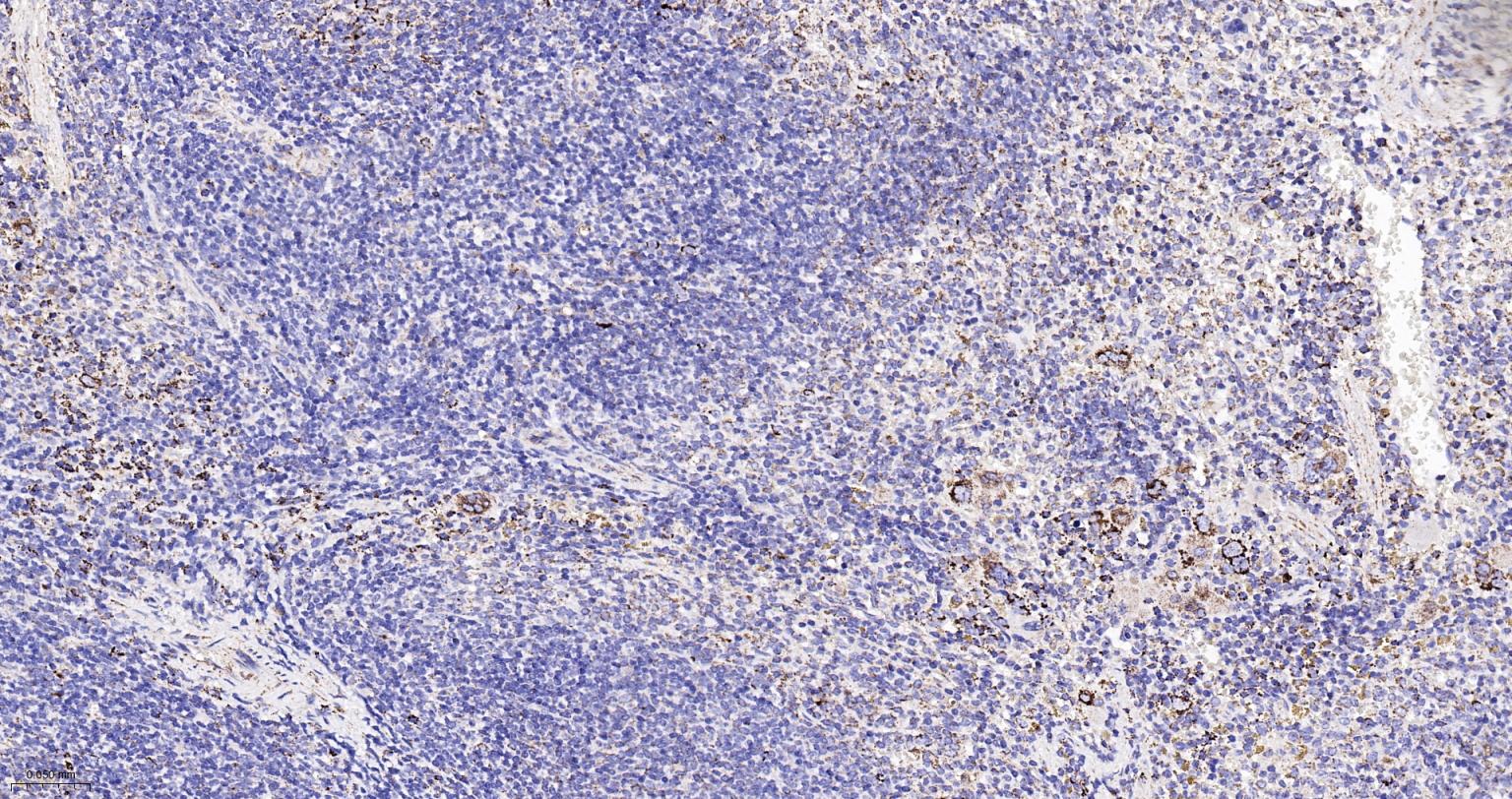
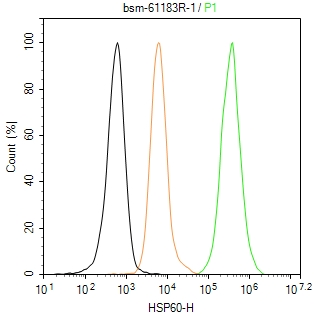
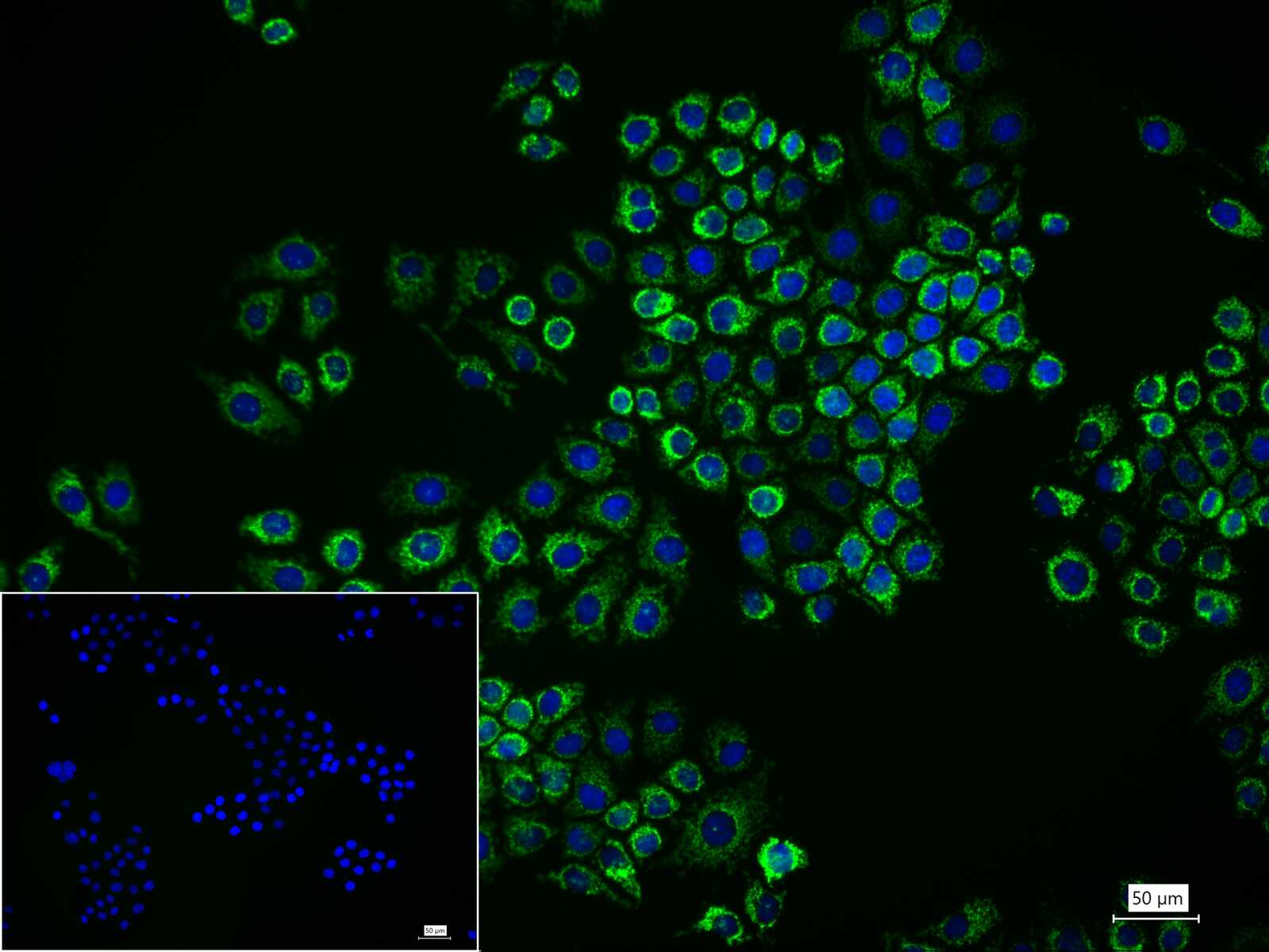
产品应用
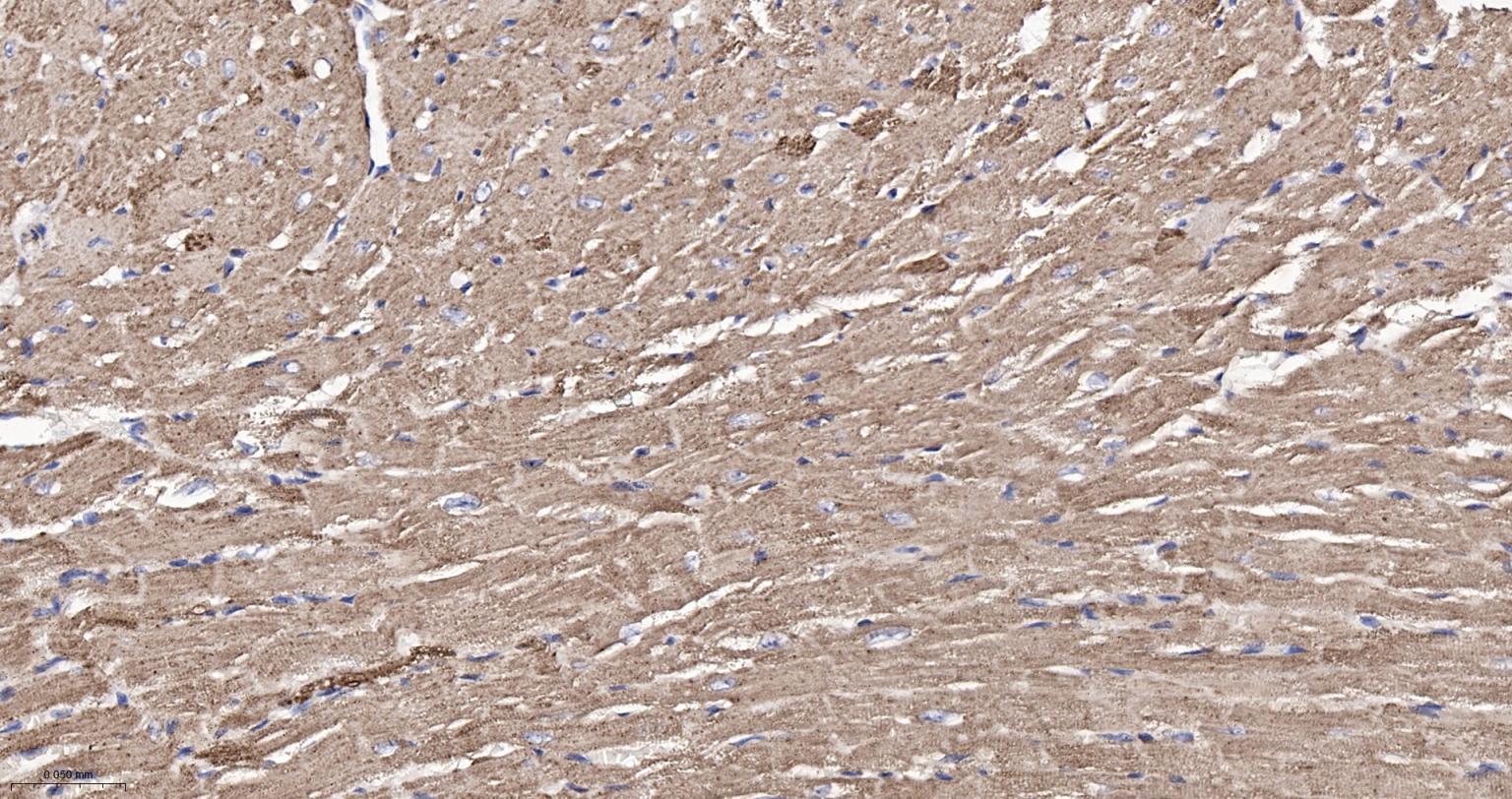
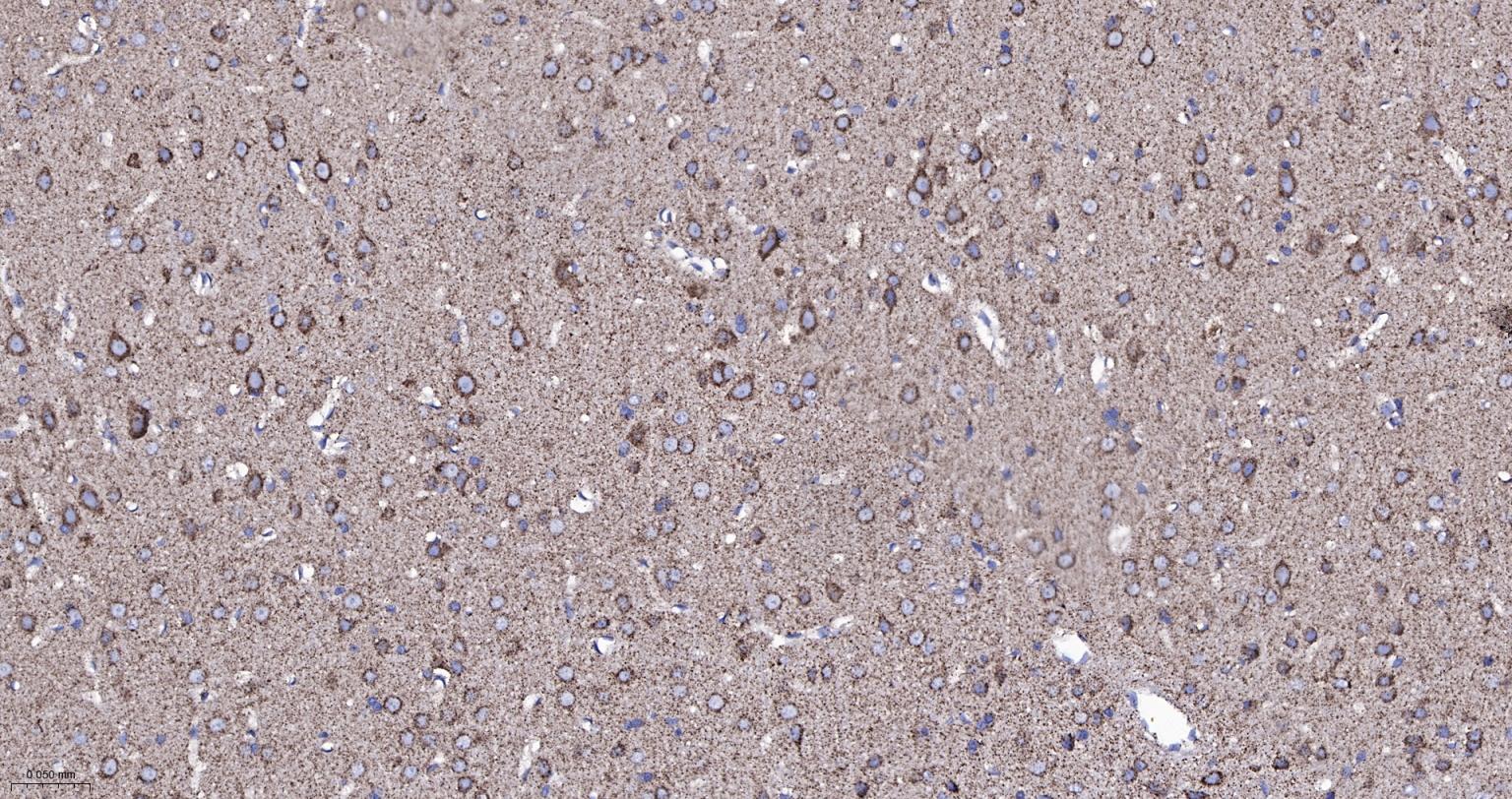
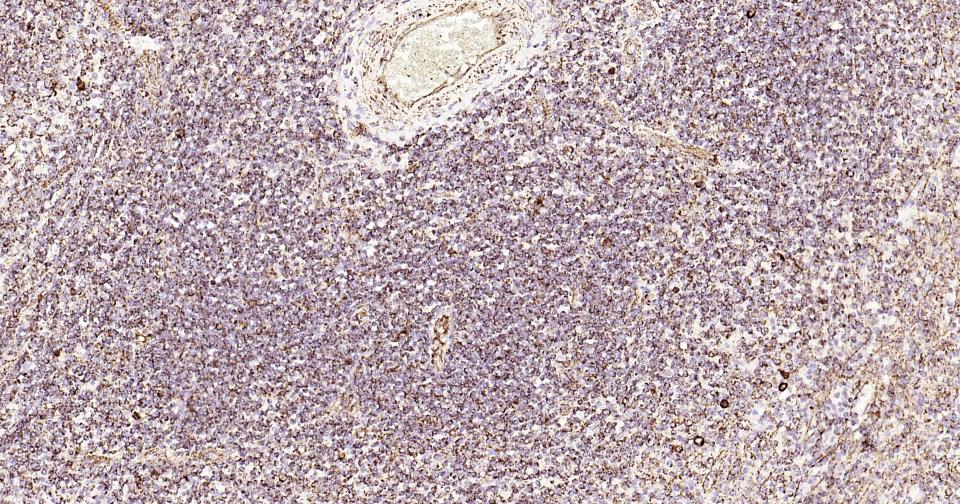
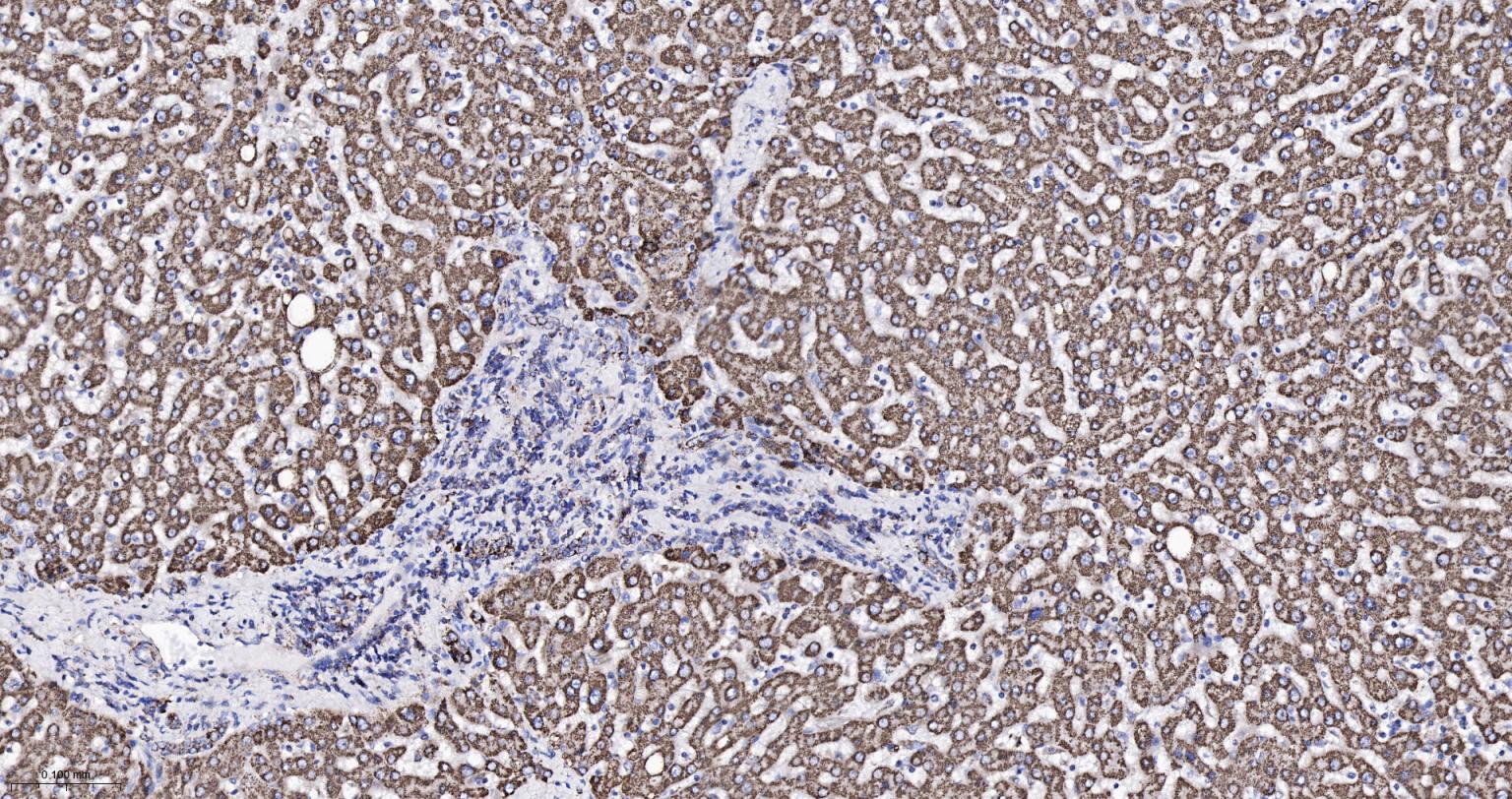
| 应用 | 已检合格种属 | 预测种属 | 推荐稀释比例 |
|---|---|---|---|
| WB | Human, Mouse, Rat | 1:1000-2000 | |
| IHC-P | Human, Mouse, Rat | 1:100-500 | |
| IHC-F | Human, Mouse, Rat | 1:100-500 | |
| IF | Human, Mouse, Rat | 1:100-500 | |
| Flow-Cyt | Human | Mouse, Rat | 1:50-100 |
| ICC/IF | Human | Mouse, Rat | 1:100-200 |
交叉反应
交叉反应: Human, Mouse, Rat
相关产品
暂无相关产品
同靶标产品
相关文献
提示: 发表研究结果有使用 bsm-61183R 时请让我们知道,以便我们可以引用参考文章。作为回馈,资料提供者将获得我们送上的小礼品。