KRAS | c-K-ras Rabbit pAb (一抗) - WB,IHC-P,IHC-F,IF,Flow-Cyt | Bioss
货号:bs-1033R
产品详情
相关标记
相关产品
相关文献
常见问题
概述
产品编号
bs-1033R
英文名称
KRAS | c-K-ras Rabbit pAb
中文名称
原癌基因K-ras抗体
英文别名
C-K-RAS; CFC2; K-RAS2A; K-RAS2B; K-RAS4A; K-RAS4B; K-Ras; K-Ras 2; KI-RAS; KRAS1; KRAS2; NS; NS3; OES; RALD; RASK2; c-Ki-ras; c-Ki-ras2; Kras-2; p21B; ras; p21; RASK_HUMAN; KRAS; 3.6.5.2; RASK_MOUSE; RASK_RAT; KRAS proto-oncogene, GTPase; v-Ki-ras2 Kirsten rat sarcoma 2 viral oncogene homolog; v-Ki-ras2 Kirsten rat sarcoma viral oncogene homolog; Kirsten rat sarcoma viral oncogene homolog
抗体来源
Rabbit
免疫原
KLH conjugated synthetic peptide derived from human K-ras: 25-130/189
亚型
IgG
性状
Liquid
纯化方法
affinity purified by Protein A
克隆类型
Polyclonal
理论分子量
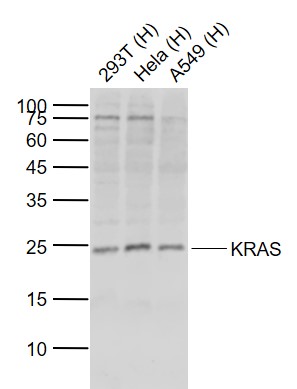
21 kDa
检测分子量
24 kDa
浓度
1mg/ml
储存液
0.01M TBS (pH7.4) with 1% BSA, 0.02% Proclin300 and 50% Glycerol.
研究领域
SWISS
Gene ID
保存条件
Shipped at 4℃. Store at -20℃ for one year. Avoid repeated freeze/thaw cycles.
注意事项
This product as supplied is intended for research use only, not for use in human, therapeutic or diagnostic applications.
数据库链接
产品介绍
K-ras癌变基因的表达产物Ras蛋白存在于多数肿瘤之中,目前是肿瘤研究较重要的蛋白之一。
背景资料
This gene, a Kirsten ras oncogene homolog from the mammalian ras gene family, encodes a protein that is a member of the small GTPase superfamily. A single amino acid substitution is responsible for an activating mutation. The transforming protein that results is implicated in various malignancies, including lung adenocarcinoma, mucinous adenoma, ductal carcinoma of the pancreas and colorectal carcinoma. Alternative splicing leads to variants encoding two isoforms that differ in the C-terminal region. [provided by RefSeq]
Ras, a proto-oncogene, is a small G-protein that has 3 primary isoforms (H-Ras, N-Ras, and K-Ras) that differ in there approximately 20 C-terminal amino acids. H-Ras was first discovered as a transforming product the retrovirus Harvey murine virus and K-Ras of Kirten sarcoma virus. Ras is a heavily studied target of both academic and pharmaceutical research because of its implications in various pathways and diseases as well as being mutated in a large number of human cancers. Ras is most notably the activator of the Erk/MAPK kinase pathway as activator of Raf, as well as an activator of PI3 Kinase (PI3K). In its oncogenic, mutated state, Ras is unable to hydrolyze GTP to GDP, thus staying in an active state and activating numerous pathways including the MAPK pathway through its activation of Raf, but also others as well that include PI3 Kinase and RalGDS. One path that the pharmaceutical industry has taken to control Ras and its activity is by finding what some consider its Achilles’ heel. For its activation, Ras must localize to the plasma membrane, but interestingly, it lacks a transmembrane domain. To achieve this, Ras must first undergo a post-translational modification (PTM) known as prenylation or geranylation at its C-terminal CAAX motif. For this to take place, a controlled three step process must occur. The first step in the process is the prenylation or geranylation of the C in the CAAX motif that is initiated by the covalent attachment of farnesyl groups to the cysteine that is catalyzed by the . After this modification, the and heterodimer enzymes farnesyl transferases –aaX of the motif is proteolytically removed via Rce1 (Ras Converting Enzyme 1), a membrane associated endoprotease, by a mechanism that is still not fully understood. Finally, the C-terminal prenylcysteine is now methlylated by ICMT (Isoprenylcysteine Carboxymethyl Transferase). These drugs have yet to pass clinical trials though and there is doubt that they will ever be successful in treating tumors associated with Ras activation.
基因名
KRAS
蛋白名
GTPase KRas
亚基
In its GTP-bound form interacts with PLCE1. Interacts with TBC1D10C. Interacts with RGL3. Interacts with HSPD1. Found in a complex with at least BRAF, HRAS1, MAP2K1, MAPK3 and RGS14. Interacts (active GTP-bound form) with RGS14 (via RBD 1 domain). Forms a signaling complex with RASGRP1 and DGKZ. Interacts with RASSF5. Interacts with PDE6D. Interacts with IKZF3. Interacts with GNB2L1.
亚细胞定位
Cell membrane. Cell membrane; Lipid-anchor; Cytoplasmic side. Golgi apparatus. Golgi apparatus membrane; Lipid-anchor. Isoform 2: Nucleus. Cytoplasm. Cytoplasm, perinuclear region.
组织特异性
Widely expressed.
疾病
Defects in KRAS are a cause of acute myelogenous leukemia (AML) [MIM:601626]. AML is a malignant disease in which hematopoietic precursors are arrested in an early stage of development.
Defects in KRAS are a cause of juvenile myelomonocytic leukemia (JMML) [MIM:607785]. JMML is a pediatric myelodysplastic syndrome that constitutes approximately 30% of childhood cases of myelodysplastic syndrome (MDS) and 2% of leukemia. It is characterized by leukocytosis with tissue infiltration and in vitro hypersensitivity of myeloid progenitors to granulocyte-macrophage colony stimulating factor.
Defects in KRAS are the cause of Noonan syndrome type 3 (NS3) [MIM:609942]. Noonan syndrome (NS) [MIM:163950] is a disorder characterized by dysmorphic facial features, short stature, hypertelorism, cardiac anomalies, deafness, motor delay, and a bleeding diathesis. It is a genetically heterogeneous and relatively common syndrome, with an estimated incidence of 1 in 1000-2500 live births. Rarely, NS is associated with juvenile myelomonocytic leukemia (JMML). NS3 inheritance is autosomal dominant.
Defects in KRAS are a cause of gastric cancer (GASC) [MIM:613659]; also called gastric cancer intestinal or stomach cancer. Gastric cancer is a malignant disease which starts in the stomach, can spread to the esophagus or the small intestine, and can extend through the stomach wall to nearby lymph nodes and organs. It also can metastasize to other parts of the body. The term gastric cancer or gastric carcinoma refers to adenocarcinoma of the stomach that accounts for most of all gastric malignant tumors. Two main histologic types are recognized, diffuse type and intestinal type carcinomas. Diffuse tumors are poorly differentiated infiltrating lesions, resulting in thickening of the stomach. In contrast, intestinal tumors are usually exophytic, often ulcerating, and associated with intestinal metaplasia of the stomach, most often observed in sporadic disease.
Note=Defects in KRAS are a cause of pylocytic astrocytoma (PA). Pylocytic astrocytomas are neoplasms of the brain and spinal cord derived from glial cells which vary from histologically benign forms to highly anaplastic and malignant tumors.
Defects in KRAS are a cause of cardiofaciocutaneous syndrome (CFC syndrome) [MIM:115150]; also known as cardio-facio-cutaneous syndrome. CFC syndrome is characterized by a distinctive facial appearance, heart defects and mental retardation. Heart defects include pulmonic stenosis, atrial septal defects and hypertrophic cardiomyopathy. Some affected individuals present with ectodermal abnormalities such as sparse, friable hair, hyperkeratotic skin lesions and a generalized ichthyosis-like condition. Typical facial features are similar to Noonan syndrome. They include high forehead with bitemporal constriction, hypoplastic supraorbital ridges, downslanting palpebral fissures, a depressed nasal bridge, and posteriorly angulated ears with prominent helices. The inheritance of CFC syndrome is autosomal dominant. Note=KRAS mutations are involved in cancer development.
相似性
Belongs to the small GTPase superfamily. Ras family.
功能
Ras proteins bind GDP/GTP and possess intrinsic GTPase activity.
产品应用
| 应用 | 已检合格种属 | 预测种属 | 推荐稀释比例 |
|---|---|---|---|
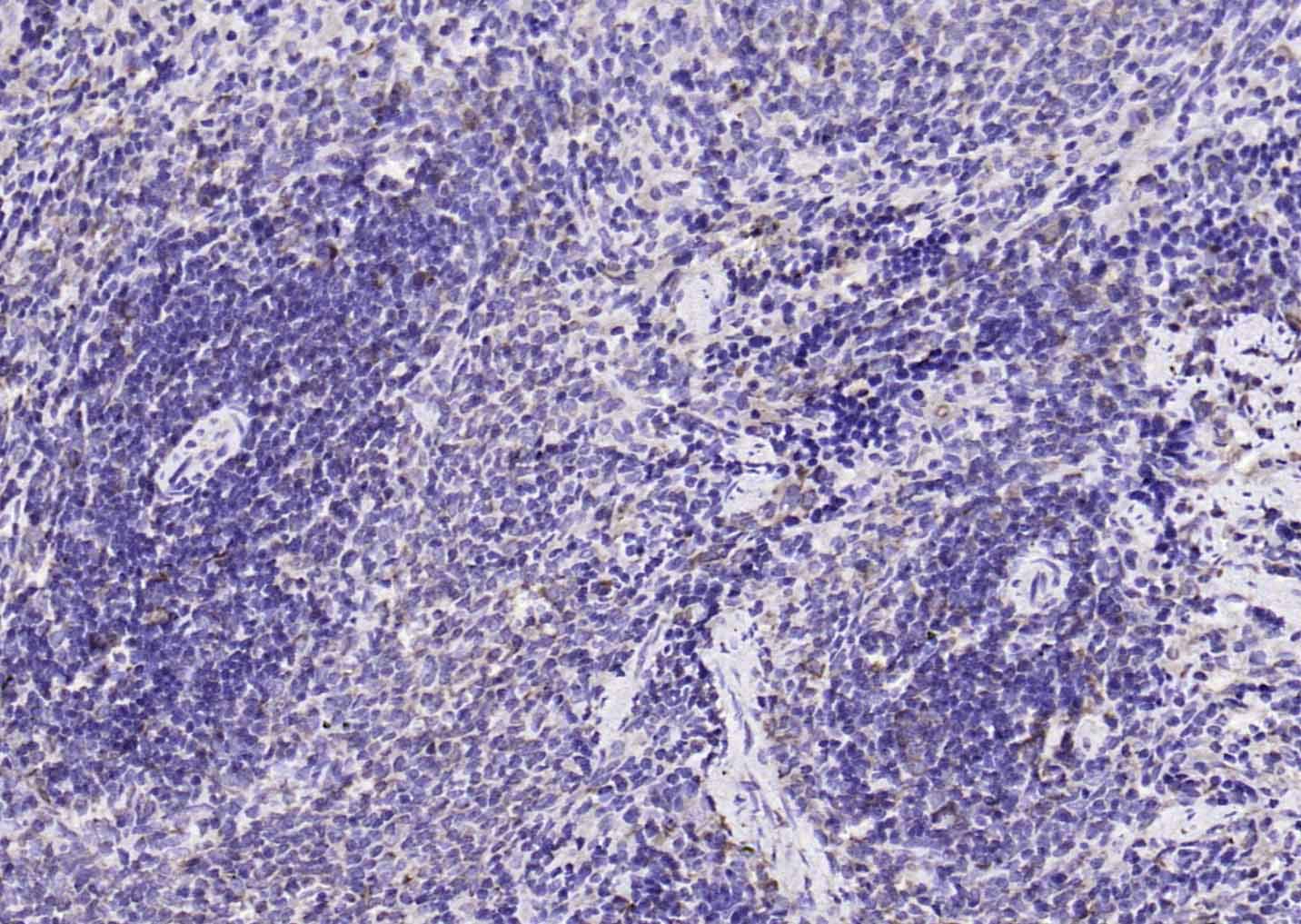
| WB | Human | Mouse, Rat | 1:500-2000 |
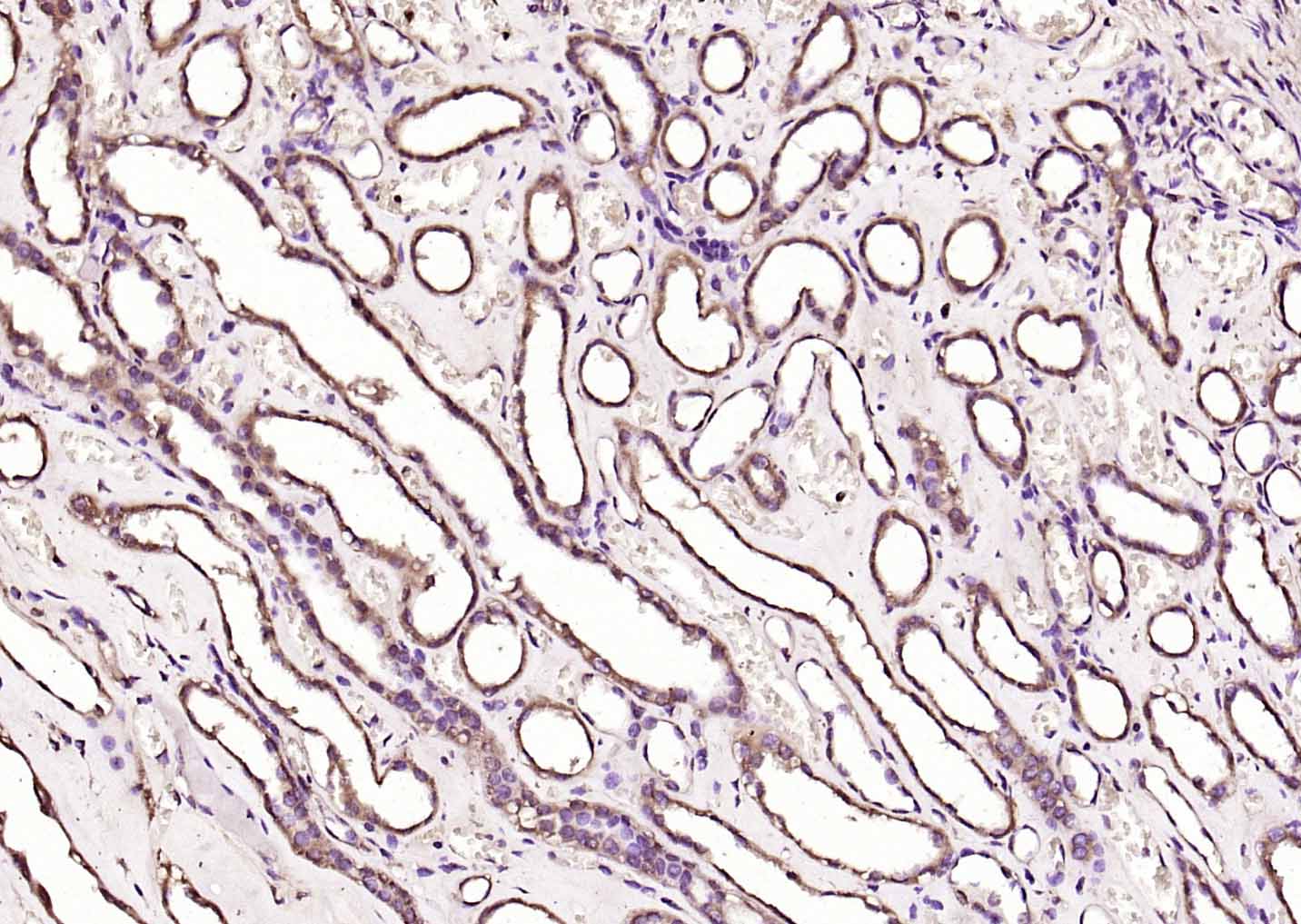
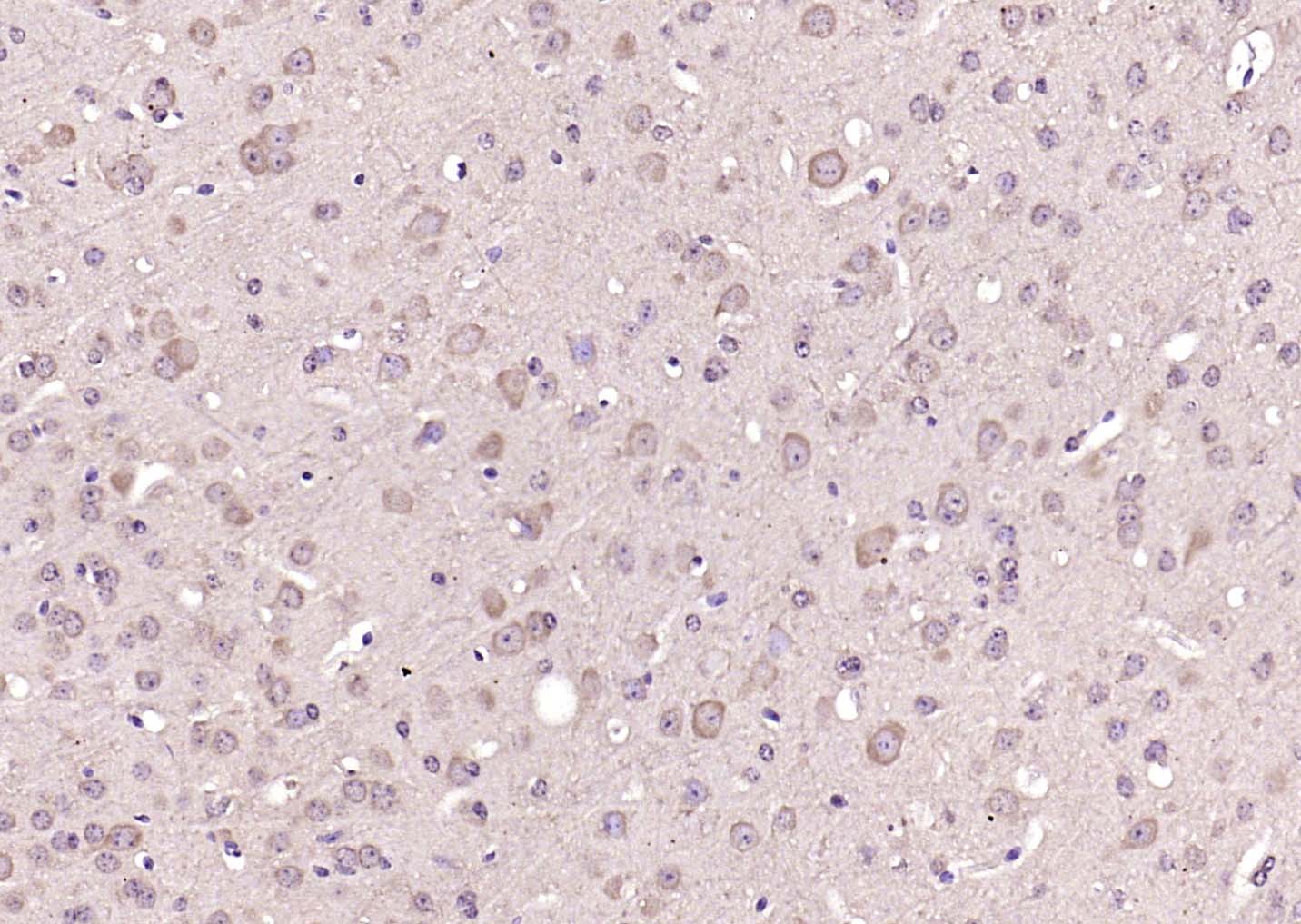
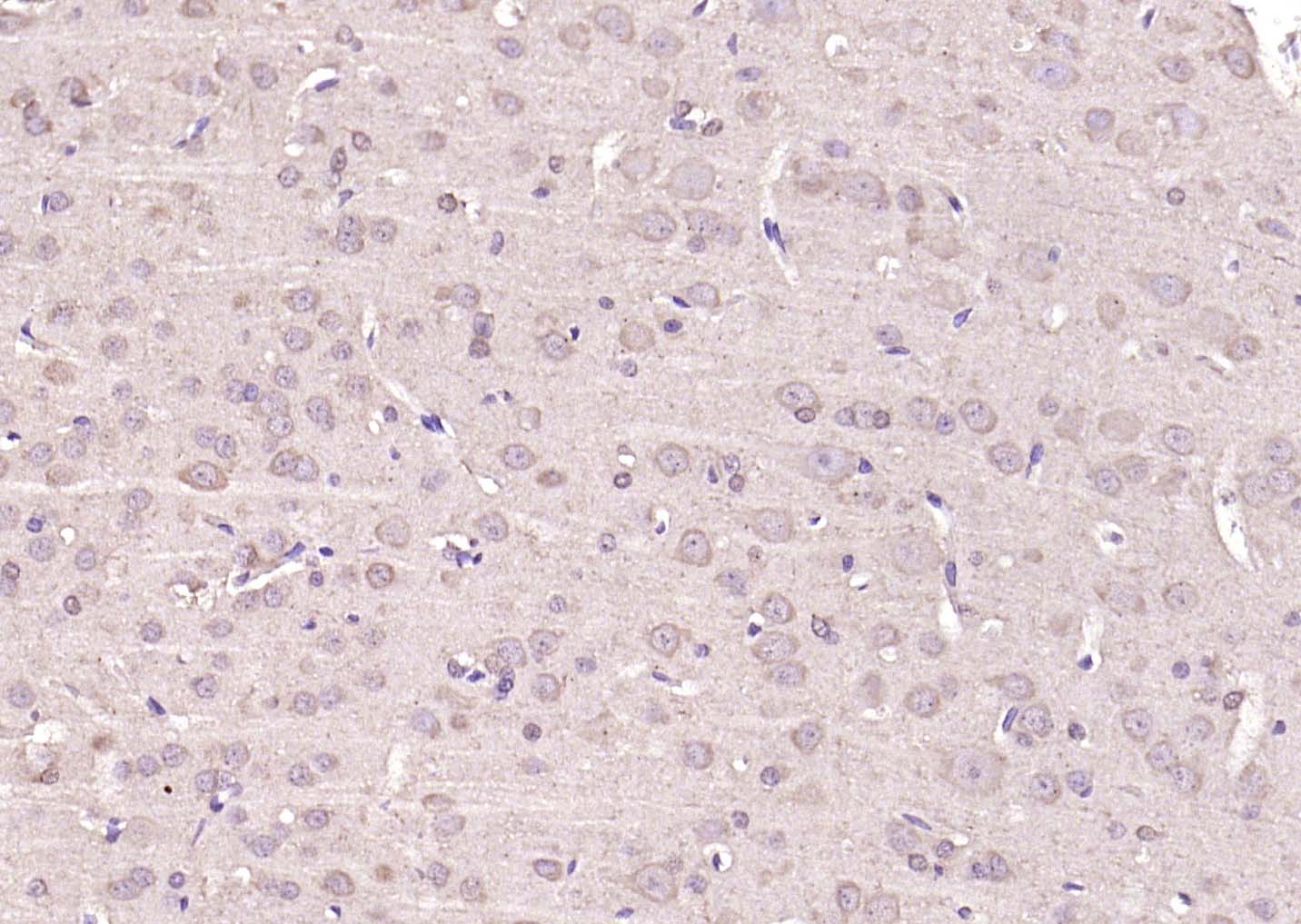
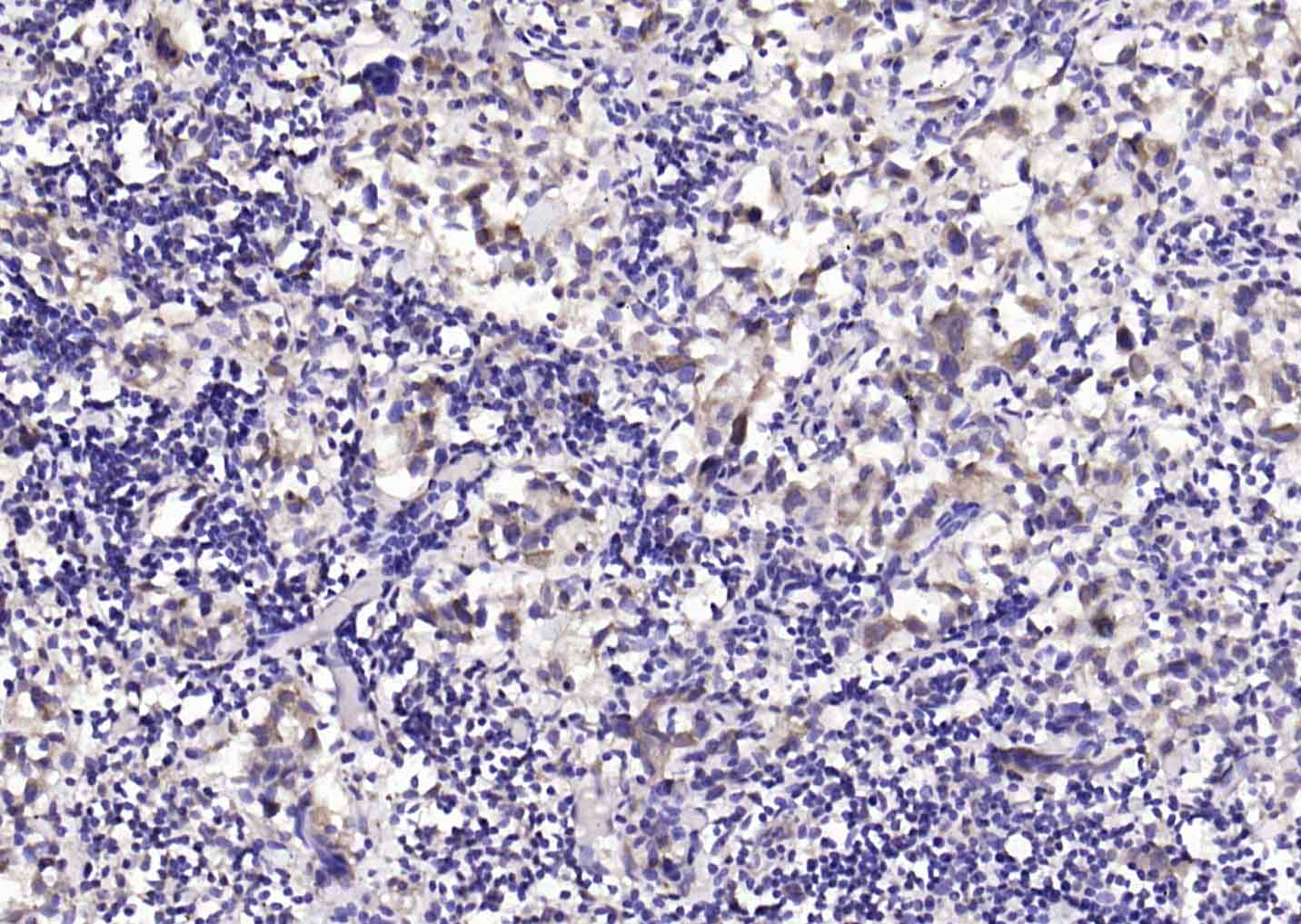
| IHC-P | Human, Mouse, Rat | 1:100-500 | |
| IHC-F | Human, Mouse, Rat | 1:100-500 | |
| IF | Human, Mouse, Rat | 1:100-500 | |
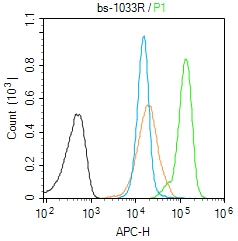
| Flow-Cyt | Human | Mouse, Rat | 1ug/Test |
交叉反应
交叉反应: Human, Mouse, Rat
相关产品
暂无相关产品
同靶标产品
相关文献
提示: 发表研究结果有使用 bs-1033R 时请让我们知道,以便我们可以引用参考文章。作为回馈,资料提供者将获得我们送上的小礼品。
具体参考文献:bs-1033R 被引用于4文献中