【26年8月文献战报】博奥森高分文献精彩呈现

截至目前,引用Bioss产品发表的文献共41,259篇,总影响因子215,916.91分,发表在Nature, Science, Cell, Cancer Cell以及Immunity等顶级期刊的文献共147篇,合作单位覆盖了清华、北大、复旦、华盛顿大学、麻省理工学院、东京大学以及纽约大学等上百所国际知名研究机构。
我们每月收集引用Bioss产品发表的文献。若您在当月已发表SCI文章,但未被我公司收集,请致电Bioss,我们将赠予现金鼓励,金额标准请参考“发文章领奖金”活动页面。
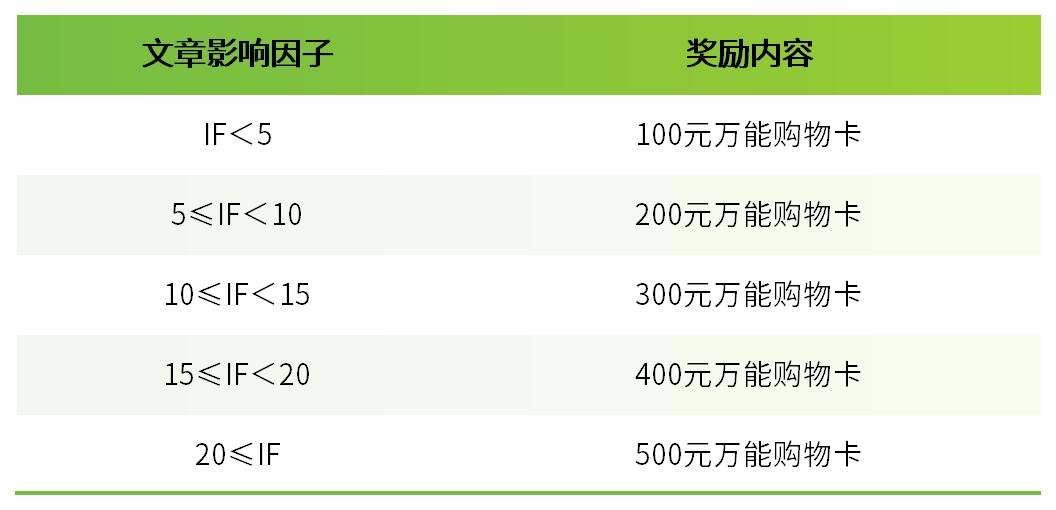
本文主要分享10篇IF≥18的文献,它们引用了Bioss产品,分别发表在CELL、Advanced Materials、Nature Cell Biology、Advanced Functional Materials、Nature Communications期刊上,让我们一起学习吧。
CELL [IF=45.1]
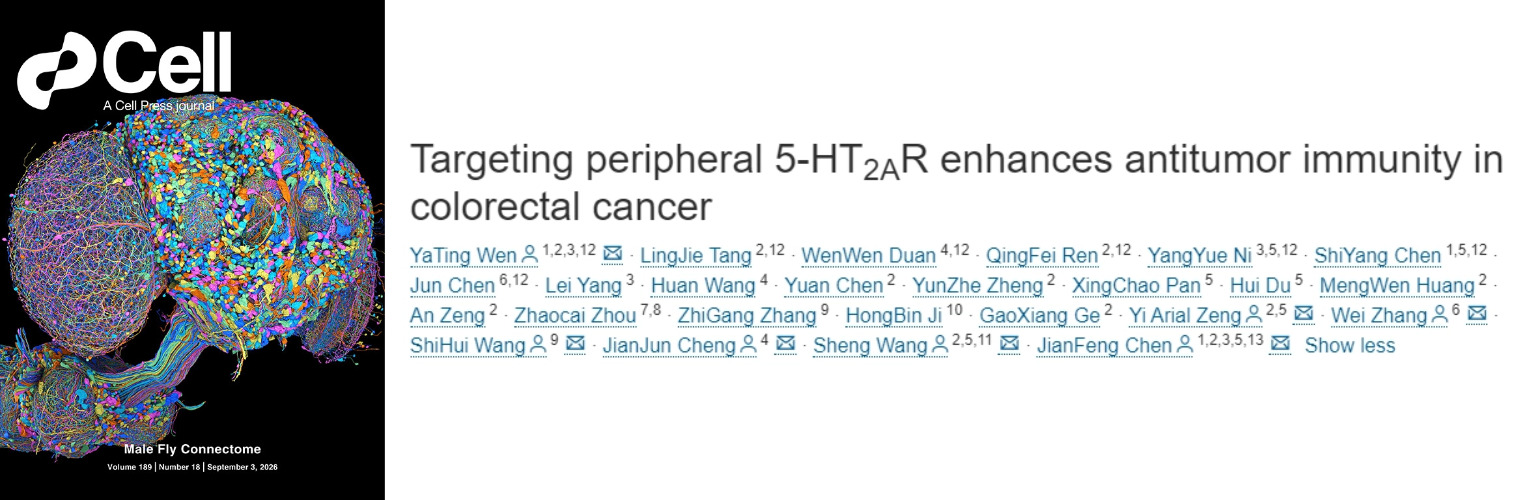
文献引用产品:
bs-1502R | Cxcl10 | IP10 Rabbit pAb | IF, mIF
作者单位:复旦大学
摘要:Cancer remains a leading cause of morbidity and mortality worldwide. While classical psychedelics have been used clinically to treat cancer-associated psychiatric disorders, their impact on tumor progression is unclear. Here, we show that by targeting the serotonin receptor 5-HT2AR, lysergic acid diethylamide (LSD) enhances CD8+ T cell-mediated antitumor immunity and suppresses colorectal cancer (CRC) growth. To harness this activity while avoiding psychedelic effects, we developed IHCH-8110, a non-brain-penetrant 5-HT2AR agonist that selectively targets peripheral 5-HT2AR. We show that IHCH-8110 inhibits CRC progression by activating 5-HT2AR on enteric glial cells, thereby inducing CXCL10 and interleukin (IL)-18 expression to promote CD8+ T cell recruitment and effector polarization within the tumor microenvironment. By converting immune-cold CRC into a more immunologically responsive state, IHCH-8110 enhances the efficacy of PD-1 blockade. Together, our findings identify enteric 5-HT2AR signaling as a regulator of antitumor immunity and support peripheral 5-HT2AR agonists as a therapeutic strategy for CRC immunotherapy.
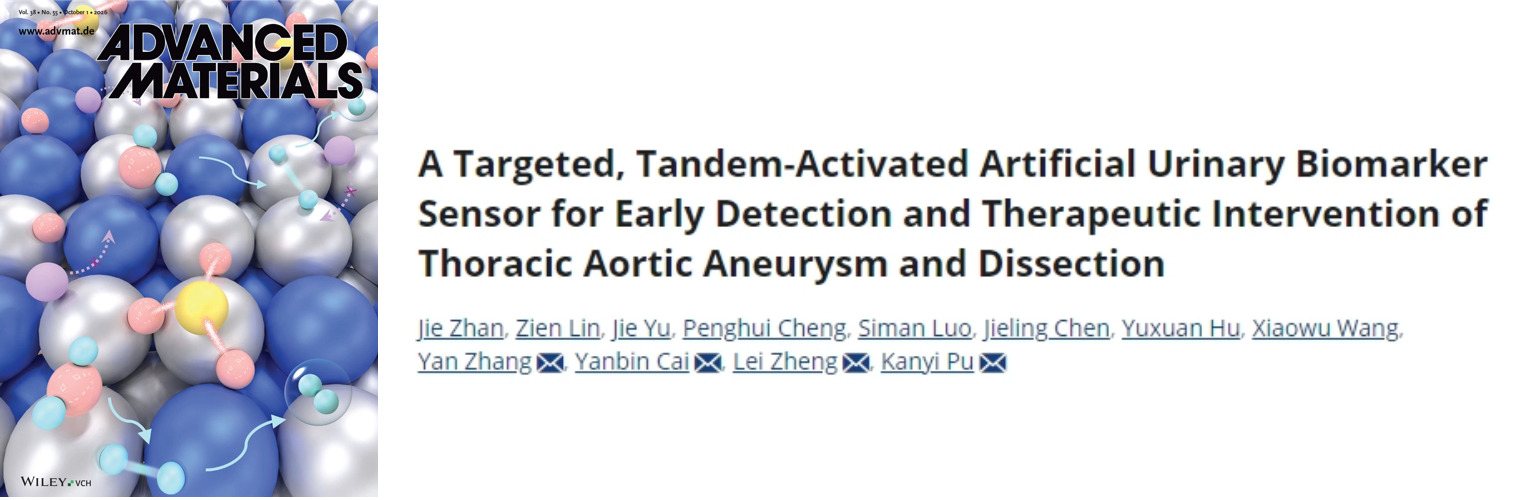
文献引用产品:
bsm-33187M | ACTA2 | alpha-Actin-2 Mouse mAb | IF
作者单位:南方医科大学
摘要:Thoracic aortic aneurysm and dissection (TAAD) is a life-threatening cardiovascular disorder; current clinical imaging approaches primarily detect structural abnormalities at late stages and fail to enable early diagnosis or dynamic therapeutic monitoring. Here, we develop a targeted, tandem-activated artificial urinary biomarker sensor (TADEI) for real-time optical imaging and urinalysis of early biomarkers associated with TAAD. After identifying biomarkers from patient tissue samples, TADEI was designed with three key components conjugated to a near-infrared fluorophore: a VCAM-1–targeting moiety (overexpressed on inflamed endothelial cells), tandem-responsive substrates for caspase-1 (an inflammation mediator) and legumain (a protease relevant to vascular remodeling), and a renal-clearance–enabling moiety. TADEI specifically targets TAAD lesions and activates its fluorescence upon reaction with these early biomarkers after systemic administration. Meanwhile, TADEI is excreted into urine via renal clearance (≈76%), converting TAAD biomarker levels into urinary signals for optical urinalysis. In a mouse model, a TADEI-based urine test detected TAAD at least 12 days earlier than ultrasound imaging and 16 days earlier than plasma D-dimer assays. The correlation between the urinary signal of activated TADEI and disease severity guided intervention that effectively inhibited TAAD progression, achieving 100% survival compared with 73% for ultrasound-guided therapy and 40% without treatment.
Nature Cell Biology [IF=22.7]
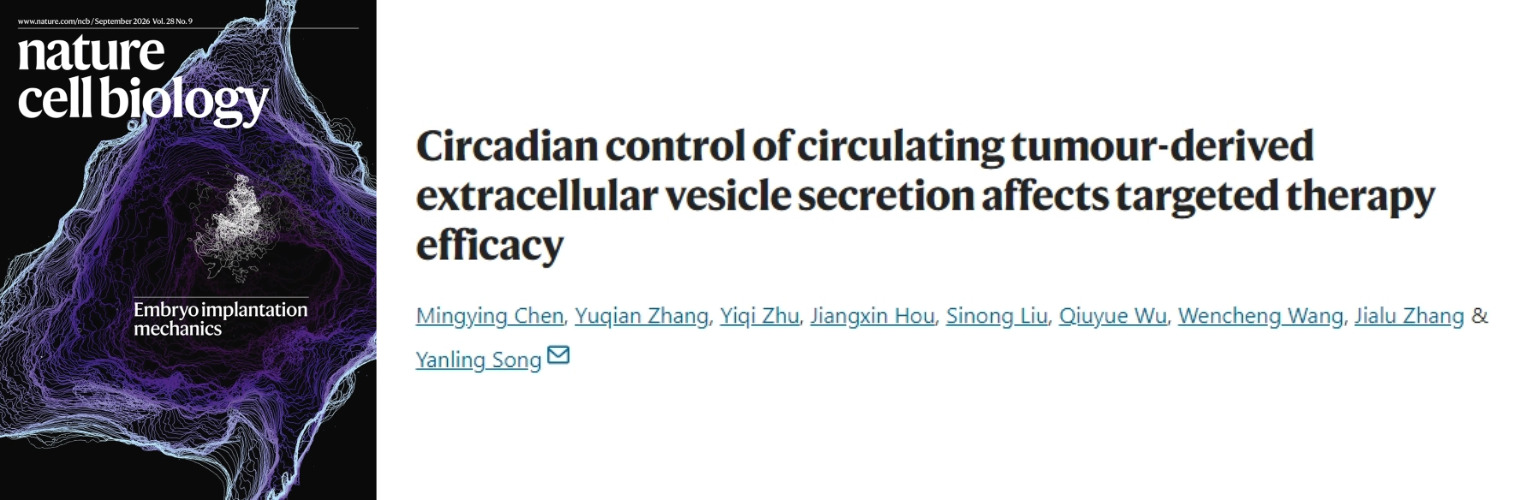
文献引用产品:
作者单位:厦门大学
摘要:Extracellular vesicles (EVs) are cell-derived nanoparticles that mediate intercellular communication, whereas circulating tumour-derived EVs (ctEVs) promote tumour progression. However, their circadian dynamics remain poorly understood owing to the lack of tools capable of resolving vesicle biogenesis dynamics. Here we introduce ctEV-CLOCK, a strategy enabling 12-h resolution isolation of nascent ctEVs. The method integrates metabolic glycoengineering-based timestamping with tumour-marker-guided selective click tagging, achieving enrichment of ctEV populations within defined time windows. Using this approach, we uncover circadian oscillations in ctEV abundance and functional properties across multiple mouse tumour models. These oscillations are accompanied by time-of-day-dependent alterations in vesicle protein profiles. Importantly, synchronizing targeted therapy with peak ctEV protein abundance markedly enhances therapeutic efficacy. Together, these findings position ctEV circadian dynamics as a regulatory layer in tumour biology and provide a framework for circadian-aligned cancer chronotherapy beyond immune-focused strategies.
Advanced Functional
Materials [IF=19.9]

文献引用产品:
C2077 | O.C.T. Compound | OtherNature Communications [IF=18.1]
文献引用产品:
bs-7166R | MUC5AC | Gastric mucin Rabbit pAb | IF, IHC
作者单位:美国伊利诺伊大学
摘要:Pseudomonas aeruginosa frequently infects chronically diseased lungs and exacerbates airway mucus hypersecretion and failure in clearance. P. aeruginosa is metabolically versatile and secretes multiple volatile organic compounds (VOCs), which have been scrutinized as potential biomarkers for diagnosing acute exacerbation in diseased lungs. However, the pathogenic roles of VOCs in mucus dysregulation are unknown. By using air-liquid interface cultures of normal and diseased human bronchial epithelial cells and a mouse model of chronic VOCs exposure, we report that dominant species of P. aeruginosa VOCs in concentrations found in both the breath of cystic fibrosis patients and in the headspace of bacterial cultures significantly elevated the expression of the mucin MUC5AC. VOCs activate the AhR signaling to inhibit FOXA2, a key regulator of airway mucus homeostasis. AhR inhibitor restored FOXA2 expression to attenuate excessive mucin expression. Mechanistic studies revealed that P. aeruginosa VOCs activate the AhR-ARNT-CYP1-ROS signaling cascade, which in turn induces the EGFR-AKT/ERK signaling pathways to disrupt airway mucus homeostasis. Taken together, these findings highlight the critical role of P. aeruginosa VOCs in disrupting airway mucus homeostasis and implicate the pathogenic role of AhR signaling in chronic lung diseases.
Nature Communications [IF=18.1]
文献引用产品:
bs-3514R | D-DIMER Rabbit pAb | WB
作者单位:美国圣母大学
摘要:Catheter-associated urinary tract infections (CAUTIs) pose severe clinical challenges, often leading to urosepsis and multidrug resistance. The wound-healing process triggered by catheter-induced bladder damage deposits fibrinogen and its polymerized form, fibrin. However, uropathogens exploit the fibrinogen and fibrin matrix to form a protective biofilm. While catheter-induced inflammation recruits innate immune cells, particularly macrophages, to the site of infection, the persistence of uropathogens suggests that the local bladder environment alters their antimicrobial function. Our research pinpoints the coagulation cascade as a key driver of this dysfunction, finding a differential macrophage polarization influenced by fibrinogen and fibrin. We showed that urinary catheterization creates a fibrin-rich matrix that was correlated with polarizing macrophages into an anti-inflammatory M2-like state, suppressing their bactericidal response. In contrast, using mice expressing fibrinogen locked in the form of a monomer, we demonstrated that monomeric fibrinogen promotes a pro-inflammatory M1-like polarization state. Notably, skewing a M1-like macrophage state with GM-CSF failed to clear the infection and systemic dissemination, suggesting a dominant role for fibrin matrix in suppressing M1-like macrophage-mediated antimicrobial activity. Together, these findings show that the catheterized bladder provides signals that significantly alter macrophage function, creating an ideal niche for pathogen persistence.
Nature Communications [IF=18.1]

文献引用产品:
作者单位:上海第十人民医院
摘要:Invasive candidiasis, predominantly caused by Candida albicans, threatens immunocompromised individuals with high mortality. Dendritic cell-derived interleukin-1β, orchestrated via Dectin-1-mediated β-glucan recognition, is central to antifungal defense. While the Dectin-1/Syk/CARD9 axis governing Il1b transcription is defined, the epigenetic regulatory mechanisms remain elusive. Here, we identify Complement C1q binding protein (C1QBP) as a critical negative regulator of Dectin-1-mediated interleukin-1β production. C1QBP sequesters phosphorylated protein kinase C δ in the cytoplasm, preventing its nuclear transport. Nuclear phosphorylated-PKCδ activates the RNF20/RNF40 ubiquitin ligase complex, which recruits the methyltransferase DOT1L to catalyze histone H3 lysine 79 trimethylation at the Il1b locus to promote its transcription. DC-specific C1QBP depletion enhances interleukin-1β secretion, amplifies protective T helper 17 cell responses, and improves host resistance to systemic C. albicans infection in mice. Collectively, our findings establish C1QBP as a key checkpoint in a PKCδ-dependent epigenetic pathway that constrains antifungal immunity, highlighting its therapeutic potential for invasive fungal diseases.
Nature Communications [IF=18.1]

文献引用产品:
bs-2941R-BF488 | TNFRSF1A | TNFR1/CD120a Rabbit pAb, BF488 conj. | FC
bs-1459R-BF488 | IL6ST | CD130/gp130 Rabbit pAb, BF488 conj. | FC
作者单位:合肥工业大学
摘要:Aflatoxin B1 (AFB1) is one of the most common mycotoxins, which causes severe hepatic damage and even liver cancer. However, the development of specific tools for AFB1 diagnosis and detoxification remains elusive. Herein, we develop a DNA receptor-loaded gelated cell (DR-GC)-based adsorbent for specifically capturing and detecting AFB1, both in vitro and in vivo. In this system, fragile living cells are transformed into robust GCs using an intracellular hydrogel technique, and then loaded with aptamer-based artificial DNA receptors inside cells via a polymer-assisted strategy. These intracellular DNA receptors are excluded from a hostile environment, which exhibits high stability and retains their functionality even in complex biological media. Consequently, DR-GCs can be used to sensitively detect AFB1 and efficiently eliminate AFB1, both in vitro and in vivo. We also demonstrate the excellent therapeutic efficacy of DR-GCs using AFB1-treated male mouse models. Overall, this study is anticipated to offer useful solutions to the development of safe and effective tools for the diagnosis, elimination and treatment of mycotoxins.
Nature Communication [IF=18.1]

文献引用产品:
bsm-41049M | FMDV (type O) | VP1 Mouse mAb | FC, IHC
作者单位:中国农业科学院
摘要:Picornaviruses, including foot-and-mouth disease virus (FMDV), enterovirus 71 (EV71) and encephalomyocarditis virus (EMCV), are important pathogens that cause fever, herpes, and myocarditis in humans and animals. The interplay between picornaviruses and their hosts remains enigmatic. Here we perform porcine genome-wide CRISPR/Cas9 screens and identify methionine sulfoxide reductase B3 (MSRB3) as an essential factor for FMDV. MSRB3 deficiency inhibits FMDV replication. Mechanistically, MSRB3 eliminates methionine oxidation of FMDV 3D polymerase and stabilizes its expression. Further studies show that radical SAM domain-containing protein 1 (RSAD1) catalyzes methionine oxidation of FMDV 3D polymerase and promotes its aggregation and subsequent degradation through the autophagy-lysosome pathway. Importantly, RSAD1-MSRB3-mediated redox modification also affects the stability of 3D polymerases of EV71 and EMCV, and regulates their infectivity and pathogenesis both in vitro and in vivo. Collectively, this study corroborates that RSAD1-MSRB3-mediated redox cycling of 3D polymerase plays a conserved function in modulating picornavirus infection, providing insights into viral pathogenesis and broad-spectrum antiviral development.
文献引用产品:
bs-13229R | SRSF10 | SRrp40/TASR Rabbit pAb | IHC
作者单位:哈佛医学院
摘要:Neurons extend long axons that traverse distinct microenvironments, yet how these subcellular compartments acquire and maintain specialized identities remains unclear. Here, we use spatial translatomics to define the local translatomes of somatosensory dorsal root ganglion (DRG) neurons. Translating Ribosome Affinity Purification and RNA sequencing (TRAP-seq) reveal thousands of mRNAs preferentially translated within central axons, peripheral axons, or DRG somata, establishing compartment-specific translational programs. Many of these transcripts encode ion channels and neurotransmitter receptors that may confer distinct electrophysiological and regenerative properties to each axon. Integration of the TRAP-seq data with published RNA-seq identify locally translated components that change following neuropathic injury and could thereby adjust neuronal activity. We identify RNA regulons coordinated by RNA-binding proteins (RBPs) SFPQ and SRSF10, which preferentially bind and traffic mRNAs to peripheral or central axons, respectively. These findings indicate that RBP-guided RNA sorting and local translation enable the establishment and dynamic local modulation of somatosensory function.